Darren Criss nei panni di Andrew Cunanan in un frame della serie tv della FOX.
Salve a tutti e benvenuti in questo nuovo articolo sul mio blog. Come potete ben leggere dal titolo, oggi parleremo di “Crime” e del caso di Andrew Cunanan e dell’assassinio di Gianni Versace. So bene che questo tipo di articolo esula completamente dagli articoli che spesso faccio sulle recensioni dei film che vedo, ma ho deciso di pubblicare con cadenza settimanale un “trittico” di articoli riguardanti tre argomenti diversi, dato che, in primis, devo scriverli e pubblicarli per un progetto universitario, insieme a questo blog, e poi per non lasciarvi senza materiale per un po’ di tempo, nel frattempo che completo e rifinisco la mia recensione sul film “Ted Bundy – Fascino Criminale ”, che molti di voi hanno richiesto a gran voce rispondendo al sondaggio fatto su IG.
Spero questo primo articolo riguardante il Crime vi piaccia.
la Vita
Andrew Phillip Cunanannasce a National City, 31 agosto 1969. È stato un serial killer statunitense. Il 12 giugno del 1997 era stato inserito dall’FBI nella lista dei ricercati più pericolosi degli Stati Uniti.
Andrew e suo padre Modesto Cunanan
Andrew è il più giovane dei quattro figli ed ha origini italiane-americane da parte di madre, Mary Ann Schillaci e filippine da parte di padre, Modesto Cunanan.
Andrew e sua madre Mary Ann Schillaci
Cresce nel “quartiere bene” di Rancho Bernardo, a nord della città di San Diego. Ha frequentato la blasonata “Bishop’s School ”. Ben presto, però, manifesterà comportamenti aggressivi nei confronti di altri studenti.
Nel 1987 le cose si aggrava. Durante una discussione con la madre, lui la sbatte contro un muro,
provocandole la dislocazione di una spalla; successivi esami sul suo comportamento indicano che possa aver sofferto di psicopatia e un disturbo di personalità caratterizzato da una mancanza anormale di empatia.
Gli omicidi
copertina di un giornale di gossip americano
La sua carriera criminale si concentra tutta nei suoi ultimi tre mesi di vita del 1997. Per ragioni non chiarite, si trasforma in un feroce assassino, uccidendo alcuni dei suoi amanti più intimi: probabilmente, per il verificarsi di un tale epilogo ha avuto un ruolo centrale il fatto che egli fosse caduto nella dipendenza da cocaina ed eroina.
Il primo omicidio avviene verso la fine di aprile: massacra a colpi di martello sul cranio l’amico Jeffrey Trail, 28 anni.
Il 3 maggio colpisce per la seconda volta. Questa volta, invece, fredda con un calibro 40 l’architetto David Madson di 33 anni.
In seguito si sposta a Chicago, dove colpisce nuovamente. Qui, si supera e subentra il suo sadismo, perché tortura – fino a uccidere – il settantaduenne Lee Miglin, un costruttore edile della zona.
Giorni dopo, colpisce ancora. Per rubare una macchina, uccide William Reese, il guardiano di un cimitero militare di Pennsville: infatti sarà il pick up rosso di Reese a portarlo in Florida.
Il 15 luglio è a Miami, dove il quintetto dei suoi omicidi si conclude, e dove, con un colpo di pistola, uccide ancora: questa volta la vittima è lo stilista Gianni Versace, freddato in pieno giorno davanti alla porta della sua residenza.
L’epilogo
La sua vita termina in una casa galleggiante, la notte del 23 luglio 1997. La presenza di Andrew all’interno dell’imbarcazione (proprietà di un piccolo truffatore) è segnalata da un custode che, avendo udito dei rumori provenire dal natante, avverte solertemente la polizia locale. L’intervento tempestivo mobilita più di sette unità, fra le quali vi sono la guardia nazionale, i vigili del fuoco e l’FBI.
Arrivati sul posto, l’imbarcazione con all’interno Cunanan, viene circondata e per fare uscire il ricercato allo scoperto vengono lanciati dei fumogeni, ma non si ottengono risultati. Seguono momenti di attesa silenziosa.
Holy Cross Catholic Cemetery di San Diego.
Quando, infine, si decide di fare irruzione, la polizia rinviene il corpo esanime del criminale. Cunanan si uccide, sparandosi un colpo in bocca con un calibro 40. Le sue ceneri vennero interrate nel Mausoleo di Holy Cross Catholic Cemetery di San Diego, California.
Come in molti dei casi giudiziari riguardanti dei serial killer, molti registi, scrittori, criminologi, psicologi e molte altre figure ancora, cercando di usufruire, (o per meglio dire “sfruttare“), della momentanea fama del caso giudiziario di un qualsiasi criminale in questione, vengono scritti libri o prodotti documentari, o ancora serie tv e film. Qui sotto ve ne riporto alcuni:
Filmografia:
“Démoniaques“, (2007) stagione 2 episodio 1, (un prodotto Discovery Channel FR);
“Fashion Victim: The Killing of Gianni Versace“, un documentario in lingua inglese di James Kent (2001);
“City Confidential “, un documentario in inglese dell’emittente A&E Television Networks (1998); in seguito, la stessa emittente fece un ennesimo documentario chiamato: “Andrew Cunanan Biography” ;
Nel 2018 si è ritornati a parlare di Cunanan nella serie tv “American Crime Story: L’assassinio di Gianni Versace“(“American Crime Story:The Assassination of Gianni Versace“), una serie televisiva antologica statunitense trasmessa dalla rete via cavo Fox Crime.
Bibliografia:
Gary Indiana, “Tre mesi di febbre. Storia del killer di Versace“, Textus, L’Aquila 2005;
Wensley Clarkson, “Death at Every Stop: The True Story of Alleged Gay Serial Killer Andrew Cunanan the Man Accused of Murdering Designer Versace“, 1997 (St. Martin’s True Crime Library);
Maureen Orth, “Vulgar Favors: Andrew Cunanan, Gianni Versace, and the Largest Failed Manhunt in U.S. History“, (2000).
Fine
Spero che questo articoli vi sia piaciuto e se cosi fosse, lasciate un like, commentate e condividete. Al prossimo articolo! Ciaooooo.
Hi everyone and welcome back to my blog for this new movie review of the new Disney’s live action “Dumbo”. (ITA)
Plot:
In 1919, equestrian performer and World War I amputee Holt Farrier returns after the war to the Medici Brothers’ Circus, run by Max Medici. The circus has run into financial troubles and Medici has been forced to sell the circus’ horses after Holt’s wife and co-performer, Annie, died from the Spanish flu outbreak, so Medici reassigns Holt as the caretaker for the circus’ pregnant elephant, Mrs. Jumbo.
Mrs. Jumbo gives birth to a calf with unusually large ears and Medici orders Holt to hide the ears before allowing the public to see the calf. However, the calf accidentally reveals his ears in his debut performance and the crowd mockingly names the calf Dumbo while pelting him with peanuts and other objects. Mrs. Jumbo is horrified and enraged by her son’s mistreatment and rampages into the ring, causing extensive damage and accidentally killing an abusive handler during the tour in Joplin, Missouri.
Afterwards, to prevent a public relations problem, Medici resorts to selling Mrs. Jumbo. Holt’s son and daughter, Joe and Milly Farrier, comfort Dumbo and realize he can fly by flapping his ears. The children also discover that the feathers are the key to Dumbo’s willingness to fly.
In another performance, Dumbo plays the role of a firefighter clown to put out a fire with water sprayed from his trunk, but the performance goes wrong and Dumbo is trapped on a high platform surrounded by flames. Milly boldly risks her life to deliver a feather to Dumbo, giving him the confidence to fly. The audience is astounded when Dumbo flying and word of his talent begins to spread.
V. A. Vandevere, the entrepeneur and owner of a bohemian amusement park called DREAMWORLD approaches Medici and proposes a collaboration; Medici would become Vandevere’s partner and the Medici Brothers’ Circus’ troupe would be employed to perform at Dreamland. Later, Vandevere demands that Dumbo should fly with French trapeze artist, Colette Marchant.
Colette and
Dumbo’s debut performance at Dreamland goes wrong with Dumbo nearly falling off
a high platform leading to him trumpeting in alarm since net has been added to
avoid possible injuries and zeor. Dumbo hears his mother’s call in response and
realizes that his mother is in an exhibit elsewhere in Dreamland. Dumbo flies
out of the circus ring, reuniting with his mother.
Fearing that Mrs Jumbo may become a decoy to him and ruin his reputation, Vandevere spitefully orders her to be taken away and killed. Vandevere also fires all of the Medici performers from Dreamland. When Holt and the rest of the Medici troupe learn that Vandevere intends to kill Dumbo’s mother, they resolve to set both her and Dumbo free. The circus performers utilize their various talents to break Mrs. Jumbo out of her enclosure while Holt and Colette guide Dumbo to fly out of the circus. Vandevere attempts to stop them, but accidentally starts a fire triggered by an enraged mismanagement of Dreamland’s electricity system which spreads and destroys the park.
After Dumbo saves Holt and his family from the fire, Holt, Colette, the kids, and the troupe bring Dumbo and his mother to the harbor, where they board a ship back to their native home Asia. Afterwards, the renamed Medici circus is re-established (while it’s implied that Vandevere is arrested and tried for arson through misconduct) and flourishes with Colette as the newest troupe member, performers dressed as animals, and Millie as host of a lecture room. Meanwhile, Dumbo and his mother reunite with a herd of wild elephants who applaud their newest member as he flies with joy for heirs future to come.
Personal comment:
Is this
movie worth watching or not? ABSOLUTELY YESSS!!!!!
To be
totally honest with you, readers, I wasn’t sure to watch this movie at all,
because I thought to myself that it would
have been a little bit childish, that surely wouldn’t have added or removed
nothing new to the Disney’s animated classic, but of course I was wrong.
“Dumbo” is Disney’s 4th
live-action inspired by Walt Disney’s 1941 animated film of the same name,
which was based on the novel by Helen Aberson and illustrated by Harold
Pearl. It is quite similar to the Anderson’s story, but since ‘40s many
things have changed: in fact, this live-action movie differs from the animated
classic in various parts, adding situations and brand-new characters, but the
lessons of the classic animated Dumbo have remained, and we are going to
discover that them are universal and evergreen. Also, this live-action adjust
something and add some other lessons. Here, as once, Dumbo is a baby elephant
with big blue eyes and big ears, as a result of which it gets laughed at from
almost everyone, and it is considered unable of working in the humble circus of
the funny Max Medici.
Tim Burton needs no introduction. He has been working with Disney for a very long time, since he started his career as one of Disney’s animators. He is a director who always had a very likely artsy side, but at the same time very creepy, but also fable-like; and we need only to think of his movies, such as BATMAN, Edward Scissor-hands, Big eyes, Sleepy Hollow
and many more, until we get to Dumbo. Some of his works are more inspired than others, in some movies he had the chance to show all of his dark and flair creativity, such as in “The Corpse Bride” movie;
other works are more commercial and subjected to the major studios, such as “Alice in Wonderland” (2010). In fact, in Dumbo there isn’t much of Burton’s creativity; we can only spot some detail represented by some devices and parts of the scenery.
Disney hit the jackpot once again! There is nothing to do! The combination Tim Burton, Eva Green, Danny DeVito, Michael Keaton and Colin Farrell have been successful, not only for them who are the main characters, but also for those actors with minor roles or so. Tim Burton is a genie; he has his own unique way to tell you a story and to take you there. Even though here in this movie there aren’t particular themes such as those in “The Corpse Bride”, where indeed there is a corpse bride that comes from the reign of the dead; here there isn’t nothing like this, but the whole story is told with a certain reality and magic too, with some fairy tale-like sweetness; but this is the winning move of the movie itself. In addition, Burton takes us in that magical and sometimes cruel, but at the same time wonderful and enchanted circus world. The whole thing is a mix of magic, spectacular, sweetness, love, loss, joy, grief, new and old… and much more.
Burton succeeds into mixing the old, the ancient, the past with the present, with the innovation, with the future, giving faces to these two opposite “factions”: the first one is represented by DeVito that represents himself the good; and the second one is represented by Keaton that represents himself the evil.
This movie
neither hasn’t deeply let me down, nor particularly surprised me, because
basically it has been written for an audience of children, signed by a very
crystal clear, a very blingy, a very “politically
correct” Disney. There is an unbridled and really loved fan-service, that
will be loved more from those who grew up with the ‘41 classic animated DUMBO.
But in general, as well as the classic animated was written for an audience of
children which we were in the sort of period style, in some ways, nowadays, yet
questionable; also, this new modernised version has a language and a narrative
style dedicated to children: consequently, the direction follows this style.
There are many of Dumbo’s subjective: for instance, action scenes are
rhythmically divided in a didactic way. These scenes show us every single
character on stage, one by one, their reaction that alternates to that of the
other characters at an andante rate, but not frenetic, but also in an orderly
way, so that the audience don’t miss anything of what is happening. Here there
aren’t talking animals as there were in the ’41 classic animated, but they have
a noticeable higher intelligence, an emotional intelligence that is highly
developed and human too.
The actors,
except for children actors that don’t show who knows what acting high-capacity,
they all act a bit in a caricaturist and obvious way, but not in a negative
way, but rather artfully, just like you would act for an audience of children,
in the sense that they are very expressive, didactic: joy is joy, anger is
anger, sadness is sadness and so on; so, this way the movie communicates well
with children, but this is also a typical feature for circus people; also, at
structural level, it was decided to explain the concepts in a direct and simple
way, consequently logical, but this fact makes all the character a bit
bidimensional. In addition, the “bad guys” don’t have light and shadow, but
they do are drawn in a negative way because they make negative actions and then
karma will punish them.
Milly: she can be considered a character of note in
this innovative representation, because she is a little girl that has a
different dream; Joe: we cannot say
the same for him. He seems to be a sketchy character, but not “completed”.
Sometime he seems to be an accessory
to Milly, and not her little brother. The two siblings reminded to me, a bit,
of the younger version of the orphans Klaus
and Violet Boudlaire, from “A Series of Unfortunate Events” series,
especially Milly, but their siblings relationship is completely different, it
is almost non-existent and unfortunately Joe is too much in shadow as a
character, in comparison to his sister; in fact, their siblings relationship
isn’t developed at all and it is really a pity. Holt Ferrier: he is a father that is going to have a growth
throughout the story, both to he himself and to the relationship with the
little Milly. He has lost two important things in his life, and he will have to
roll up his sleeves to rebuilt everything from scratch, both for his career and
his family. But, overall, he will have to learn to truly understand Milly, that
in her turn, will inspire him to overcame his limits.
Colin Farrell is a really good actor and he is very
charismatic. His acting is very dark and passionate.
Eva Green as Colette, a French trapezist, is simply
wonderful! She’s an amazing actress and beautiful like a goddess. I do really
appreciate her expressivity, very strong in this movie, such as she was in Miss
Peregrine’s, very dramatic and circus. Just like the other characters, she’s a
simple, functional, “minor” one.
Danny DeVito is Max Medici and his character will give the
best of himself, overall, in the first part of the movie. He’s also very
dramatic, goofy and funny; he interprets ironic, but also very simple and
innocent lines that surely will make children laugh, but not only them.
Michael Keaton is the movie’s flagship. He is the main ‘bad guy’, Mr. Vandevere, and he’s odiously good. He puts all of his dramatic and acting skills, and comic-caricatural in describing this character that seems to be a proper animated cartoon bad guy in person.
Dumbo in one the movie’s scene.
Dumbo, our absolute star, which was entirely created
in CGI, it’s infinitely sweet. Its design manages to be sweeter and more
adorable of the little and cute baby
Groot (from “The Guardian of the Galaxy”). If he already had moved in the
animated classic, this Dumbo will touch you almost at every scene. In the scene
where it is made up as a clown is infinitely tender.
This movie
is crystal clear: there aren’t double meanings, there aren’t neither
undertones, nor things hidden between the lines, nor ‘unsaid’ things that have
to be understood only with actions; everything is said! This movie was adapted
for and adult audience only when we talk about “fan-service”, because there are lots of scenes that were shot in
the same way as the animated classic; this fact is going to give to the most
affectionate, nostalgia. Despite the fact that we grew up, it’s right that this
fable is given to new generations, because it can still make them dreaming,
adding a good “modernise” here and
there.
In addition: the “Dumbo” as we remember it, it focuses overall in the first part of the movie, while in the second one, the story takes new and different narrative paths. Some characters get deleted, but so many others new are added: we are talking about a 2019 updated Disney, everything is “politically correct”, everything is right, clean and fresh; but all of these things neither don’t misrepresent nor cancel, in any way, those main and evergreen themes of the animated classic Dumbo.
“The Nutcracker and the Four Realms” movie poster
I do really love the references Disney itself puts in its own movies, I mean the references to its others movies, making those who love Disney winking. I loved the way little Milly was characterised, because she reminded me of both a younger and a brilliant Clara, from “The Nutcracker and the Four Realms”); Milly is this little girl that despite the fact that she was born and grew up in a circus surrounded by her “Circus Family”, at the same time she wants to be ‘something’ else and she wants to be remembered, as she says during the movie, ‘for her discoveries’; I really appreciated this Disney’s refence to the movie above-mentioned, because there is a similar “father-daughter” relationship. These two characters, on the one hand we have the figure of a father that tries to keep himself and his daughter feet on the ground and into reality and tries to let her understand that life isn’t all fun and games; on the other hand we have a girl that, despite the fact that at the beginning her father doesn’t keep going along with her, she is determined to do what she wants to do, to became what she wants to; this little girl that since the beginning proves to be a future scientist, a little girl who looks beyond difficulties and appearances. One last thing I do really appreciated was a line Danny DeVito said shortly after the beginning of the movie: “Why me! Why me!”, that reminded me of Izma from “The Emperor’s New Groove.”
Costumes, hair and make-up.
Costumes:
Tim
Burton’s live-action “Dumbo” may or may not make you cry like the 1941 animated
classic, but it’s hard to ignore the incredible contributions from production
designer Rick Heinrichs and costume designer Colleen Atwood.
For the first part of this movie the costumes are very simple, because all – or at least most of them – the characters that firstly we are introduced to are those who live and are part of Max Medici’s circus, a not really rich circus, but on the contrary, a circus where people have hard times to move on with the various high costs that the circus represents and needs, among other territorial licensing, but also the WWI and at the same time the absence of one of its star that was at the front, the deaths of many circus characters or also the “antiquity” of the circus itself, without a minimum change or innovation and so much more, and in this regard, its inhabitants aren’t rich at all too.
The costumes these people wear reflect those worn at the time, both for the time and for the circus world they live in. Men often wear the typical clothes of the 19th century, I mean, high waist pants, white shirt and gilet, and cherry on top, a simple and old foulard for men around their neck or no foulard; but the looks aren’t only these, they do differ for colour, pattern and fabric, despite humble. Some of the characters have their own style, such as the snake handler who wears clothes and turbans typical of the Arabian or Indian culture.
Women do wear costumes that reflect the century they live in too, with these long and full skirt, kind of gipsy, and on top a shirt off the shoulders and décolleté, cherry on top, a flower in their hair gathered in a side chignon. They also wear costumes that are knee-length one piece and some more. Some costumes with more details, some less. Also, the children’s clothes were really interesting in this. It’s interesting because they were poor, they didn’t have a lot of clothes. So, at that time, people washed and ironed their clothes every day and wore the same thing over and over, and I really liked the idea of making them look not “too cute”. To look lived in, but still, have some kind of little details and things that were sort of helped with the character a lot.
There are other costumes that are particular, such as the mermaid costume. People are always trying to make big people look smaller and it was just kind of made her bigger because had to make her hips bigger to sell the fish shape in an amateurish way and get the ankle thing smaller.
One of the scenes that recreates the original animated film involved Dumbo performing with “fireman” clowns. Those costumes in particular pop so strongly. That scene was an homage to the animated film by the designer. It was kind of the same: The big hat on the little guy, and the little hat on the big guy. The sort of really simple, broad, clown kind of stuff. The coats were definitely the colour that kind of bilious sort of horrible yellow of the old coats. A lot of dirt was put on them and stuff, so it’s kind of spotty, so you didn’t just get too differential boom of that one yellow colour, which is pretty strong.
In the second half of the movie there is change in costumes/gowns, the one set in DREAMLAND, a richer, more technologic and more innovative circus, where old circus performances and innovation are mixed to create the above-mentioned fun park. In this second half, we are introduced, among many others, to Colette Charmant, DREAMLAND star and muse, whose, overall, stage costumes are elaborated, gorgeous, classy, particular and of good quality, very nearly to be little pieces of art. These costumes vary in style, colour and texture, and each one more beautiful than the other.
Also, those costumes representing the male counterpart, represented by Mr. Vandevere, are no less. His looks are some kind of classy suits, always impeccable, mostly in dark satin colours, of high-quality, costly and rich materials, cherry on top, a skilfully matched foulards for men around his neck and placed, or instead papillons, and at last completed with a different walking stick;
not to mention pocket squares, rings, necklaces, cufflinks at the end of his shirt sleeves.
Regarding other male costumes, including his employees, here we can see the elegance and impeccability too, they wear black suits as if they are his slaves; nevertheless, some of these costumes differ from the blackish suit, both for kind and colour.
The costumes in this film are just gorgeous, and I love the whole circus aesthetic. Atwood plays with the different styles while creating the costumes for the movie, but she gave every main character a particular style, as if the costume itself would represent him/her. For Colette’s look for the film, the famous costume designer Colleen Atwood was inspired by silent screen stars, both in the scenes where she has her brown wig and where she wears a red-ish wig. In the last two depictions, the actress reminds us of a dreamy creature coming from one of F. S. Fitzgeralds’ novels. Everything in her look, when you first meet her, tells you a lot about her character because you don’t really know a lot about her, and then when she shows up with that and you immediately go: “Oh, she’s serious about what she’s doing.” She’s a performer. That’s one of the great things about what costuming can do is that she doesn’t even say anything and you know something about her that right away just because of what she’s wearing when she comes in.
The other costumes that involved Eva’s outfits or gowns are stunning. Those were all hand [stoned] The first one in gold and silver. The first one felt a little bit like it was almost hinting about the ’20s. A sort of a deco pattern was used on the sequin shapes because by the time we got to New York there was bit more influence of that sort of modernity.
the second one, which is much more Victorian in feeling, with the ruffles and stuff.
Her gag drops from the skirt, so it was used a really lightweight aluminium and nylon fabric, which a very modern fabric, mixed with tools for the skirts, just to keep it so when it fell it didn’t just clunk down to the ground, so it could kind of float. An artistic license with some of the materials in those was taken, but was tried to keep this sort of shape and the trueness to that sort of early 1900s sort of corsetry shape with it.
I’m not sure if was jewels or crystals or what she did, but it is gorgeous!
This dress is a mixture of little tiny stones, and the really tiny sequins because you can’t quite see them, but they’re there. It’s kind of dirty, like old rhinestone stuff, was kind of crunched into stuff so it wasn’t so like blatantly out there as a crystal thing. It feels like if you squint your eye a little bit it’s kind of magic, like when you’re a kid and you look at something and it sort of has this thing.
Eva’s character appears in a bodice three times. When we first see her during rehearsal, she is also wearing one, or sort of. A tight, black, constricting number. Early dance kind of thing.
But it is a real circus rehearsal corset, which was a striped thing with these leather kind of bondage straps. It was sort of ideal to show that she was a little bit afraid of climbing on an elephant and riding it. So, it was more protection as well as a restriction thing. There were places in it to hook cables and stuff like that, so if you came off the elephant you wouldn’t just land.
This is what Colette wears when she comes to Dreamland, and there’s this huge circus parade there with around 100-200 acts, and there had been about 600 extras. For the guards in there, their uniforms are kind of based on World Fair uniforms. The dresses, the crowd costumes, are 90% real. Were used real costumes mixed with reproductions that have been made in order to fit modern bodies, because the originals don’t fit a lot of people.
In the last sequence of the film, after the “pink elephants on parade” scene, where a group of dancers stage a number called “the layer cake”, Colette is ready to put on her own show and wears this red dress with big red skirt, opened in the front and with a dragging, that we’ll discover it’s made of two different pieces.
Hair and makeup:
As if we made a difference from the first half and the second one to talk about costumes, we have to do the same thing to talk about this category.
In the
first half of the movie, hair and makeup just like costumes, are very simple
and clear. Neither man nor women have who knows what hairstyles or at least no
high-quality wigs; men always have this natural hairstyles, or left in breeze
or with a touch of gel – or something similar; instead women mostly have their
hair braided or just gathered in a side bun with a flower on top of it or with
hair down, but tied up in the upper part just like little Milly has in few
scenes.
Women and
men don’t wear a touch of makeup. They always have these fresh, cleaned, always
soap and water looks. Women wears a touch of makeup during shows, but the
absolute essential. The only scene where men wear makeup is the one of
“fireman” clowns, in which they have these whitey and pale faces, enriched by
some dark stuff, around or under the eyes or some red lip-stich.
In the second half of the movie is the very opposite. As if we made a difference for costumes from the first to the second half of the movie, we have to do so for hair and makeup too. Everything here is very brilliant, complicated, colourful. Talking about men, including Mr. Vandevere’s employees, also hairstyles are linear and perfect, not a single hair out of place, and their haircuts reminded me of haircuts men had in the ’20 or thereabouts. Mr Vandevere’s style is cheekier, ha has a haircut similar to the one above-mentioned, but his hair is a little bit longer on the upper part, slightly curly and greyish.
Talking about women, their haircuts are simple too, while Colette widely use red, black and brownish wigs. She flaunts various hairstyles: straight, curly, long, short and some more.
In this second part both women and men, some more, some less, wear makeup, even if it’s a touch of it, and its only purpose is to “colour” the skin. Mostly women wear makeup, for instance, when we first are introduced to Colette, she has that particular makeup, as well as will be her other ones: blingy, fake eyelashes, warm tones, blushes on cheeks and etc, all of this completed by these lip-sticks, sometimes red and its undertones, sometimes flesh-coloured.
Actors.
Colin Farrell as Holt Farrier, an amputated veteran from World War I, former circus equestrian performer from Kentucky, and the widowed father of Milly and Joe who lost his left arm in the war and is hired by Medici to care for the new-born elephant.
Eva Green as Colette Marchant, a sassy and good-spirited French trapeze artist and Vandevere‘s muse who performs at Dreamland and bonds with Dumbo during their time together.
Michael Keaton as V. A. Vandevere, the cold-spirited and enigmatic entrepreneur, and amusement park owner who buys Medici’s circus to use the titular elephant for his bohemian amusement park, Dreamland.
Danny DeVito asMaxMedici, a bossy and pompus but well-meaning ringmaster and owner of the Medici Brothers’ Circus who is loosely based on the ringmaster from the previous film.
Nico Parker as Milly Farrier, Holt’s feisty and curious science-minded daughter with a kind soul who bonds with Dumbo and becomes his closest human friend.
Finley Hobbins as Joe Farrier, Holt’s enthusiastic and rash but noble son.
Other actors:
Alan Arkin as J. Griffin Remington, a banker.
Roshan Seth as Pramesh Singh, an Indian snake charmer who reveres all life.
DeObia Oparei as Rongo the Strongo, a strongman.
Joseph Gatt as Neils Skellig, Vandevere‘s right-hand man.
Sharon Rooney as Miss Atlantis. Rooney also does the voice of Mrs. Jumbo, Dumbo’s brave and altruistic mother who cares for her son and would risk her own life to protect him from being abused. The only time she records her voice is when she sings “Baby Mine“.
Michael Buffer as Baritone Bates, a Dreamland
ringmaster.
Frank Bourke as Puck.
Edd Osmond as “Dumbo” Performer
Jo Osmond as Circus Cook.
Phil Zimmerman as Rufus Sorghum.
Soundtrack:
A wonderful Disney movie such as this one couldn’t miss on having a soundtrack at the height. As I said before on the “comment” section on the fact that Tim Burton needs no introduction, the same here the composer of this soundtrack needs no presentation as well. Danny Elfmann is an American composer, singer and actor, author of numerous movie soundtracks, in particular he has cooperated to the creation of Tim Burton movies’ soundtracks. He is the brilliant mind behind this soundtrack. In this soundtrack, such as it was for Mary, Queen of Scots movie, there aren’t “song”, but rather musical compositions, where you can mostly hear instruments, because the only two songs that there are, are the same song Baby Mine: the first version is sung by Sharon Rooney, that was inserted in the movie in the background in scene where mama Jumbo and Dumbo take their own trunks in sign of an hug; Rooney has this sweet, relaxing, gentle and delicate voice. The second version is sung by Arcade Fire, a little bit harmonized and cadenced, it was inserted in the move as final song for credits.
All of the
compositions are gorgeous and cadenced. Even if they are similar each other,
are equally amazing. I do really appreciate, as it was for costumes, that some
characters have a sort of ‘musical theme’, for instance Holt’s character or Mr.
Vandevere’s or even Colette’s; “Colette’s Theme” is a composition
that, if I thought of before, tell us a lot about this character, tells us her
true nature.
Down here I
tell you my favourite ones:
The first
composition, “Logos – intro”, is this musical theme song that we hear shortly
after the Disney logo one. It is very delicate and soon you feel joyful. It’s
gentle and delicate, and slowly grows restless, albeit remaining always gentle,
delicate and calm.
The second
composition, “Train’s coming”, is the theme song of beginning of the movie,
the one when we’re introduced to the first scene ever, the one of the Medici’s
train. This kind of jingle is Elfmann’s
homage to this new version of the movie and to the classic animated one. The
composition begins with the typical sound of an old locomotive or train that’s
coming all along the way, and then it starts to be cadenced, as if it wanted to
prepare you for something that’s coming.
The third
composition, “The Home Coming”, starts with the soft melody of an acoustic
guitar, then come wind instruments, then the sound of drums and in the end come
string instruments. As the previous one (above-mentioned), this is cadenced
too, and it’s marked by both calm and gentle parts that suddenly change, and
become quite opposite, but from the half of it till the end, everything is
ups-and-downs between calm and excitement. The 4th and 5th
composition are very similar to this one.
The seventh
composition – “Dumbo’s Theme”, and just as the title itself says, – is the
movie’s theme song. As many other movies directed by Tim Burton, it is this
cadenced melody where calmness and excitement are mixed. In this one we can
mostly hear the piano, as many other of his movies; there are also the “voices”
that harmonize the whole composition, “Alice
in Wonderland’s” style, but there are also string and wind instruments. I
won’t deny to you that, in certain parts, it seems to me to hear Alice’s theme.
The eighth
composition called “Clowns 1”, such as the eighteenth one – “Clowns 2”, is that kind
of composition where are inserted the various sounds related to circus or
associated with, such as the trumpet, triangle, percussions. He eleventh one is
similar to this one.
One of the compositions I do really love is the tenth, “Dumbo’s Soars”, is quite impetuous, active and strong. It is simply great and listening to it gives you a sense of power and strength. The fifteenth composition, “Pink Elephant of Parade”, is a composition that starts with a dreamlike melody and then turns into a nightmarelike one. This composition, as the first one, is an Elfmann’s homage to the classic animated.
Main movie’s themes of both versions:
This live-action teaches children
DIVERSITY, a diversity that, firstly, can be found in Dumbo’s big ears, at
first mocked and derided by public, but in different ways as well as in Holt
Ferrier’s case – for the absence of his arm – and in little Milly’s one. This
movie teaches diversity and how it can be turned from weakness to strength.
The movie shows us the strong
“mother-son” connection, represented by Dumbo and Mama Jumbo; but this time it
feeds “father-daughter” connection, mirror-like with Holt and Milly.
The movie teaches how important it
is to find trust in ourselves and our abilities, even if we do feel different.
The movie tells us we can do
impossible things just with a ‘magic white feather’, but also that actually the
“incredible” is inside us; and, in the end, the ‘magic white feather’ is only a
feather, therefore we can even fly without it.
Dumbo’s soar is a metaphor of the
little bird leaving the nest and facing life; it’s also metaphor for growth;
here, Dumbo is tiny and it’s not yet time to leave mother’s nest definitely,
but it’s time to make a little growth, it’s moment when a child is ready to
take its first steps into the world and lives the first separation from its
parents, as when a child has to go to school for the first time: the separation
can be very hard, but just this way he/she can learn how to handle thing their
own and, simultaneously, how much is important to go back to households.
Movie’s updates:
As we’ve
already said, it’s interesting to see the introduction of fatherhood with Holt
and Milly, mirror-like to the motherhood of Mama Jumbo and Dumbo. But it is
also interesting the representation of little girls’ emancipation, that’s
clearly declared in the story that follows. In addition, there’s a difference
between the LARGE INDUSTRY and the LITTLE SHOPS, the big and little company:
the first one makes more money to the expense of other people and animals; the
second one, perhaps, might be able to rebuilt from scratches, starting from the
simplicity and the respect for other creatures.
In this
movie there’s more the concept of an extended family, because differently from
animated classic, here these people are present and participating, a big and
loving family, cosying of clowns, jugglers, snake charmers, strong men and
mermaid women. in addition, the movie strongly rejects the quest for profit
through the exploitations of animals, so much so that there is a very different
end from the one we remember in the animated classic.
Some scenes
are exactly like the 1941 Disney’s classic animated: for instance, when Mama
Jumbo looks outside the train wagon – where she has been locked in – and we can
see her big eye through a little window crossed by some bars looking for
Dumbo’s trunk in order to hug him with her own trunk, when in the background we
can hear the song and notes from “Baby Mine”. One of the most heart-wrenching
things is that little Dumbo is taken away from her because she is considered a
crazed animal, just because she tried to defend her baby, with all of herself,
from other people’s wickedness.
Milly, basically, speaks for the little mouse Timothy, because she – as the mouse in the classic does – takes care of Dumbo and constantly encourages him. It’s no coincidence that she has a little cage with three little white mice inside it, and one of these mice is dressed as Timothy was in the classic animated. This way is remembered and mentioned the chatty mouse. If in the classic Timothy was the only friend Dumbo had and the one who encouraged him, even though it’s a contrasting figure not much positive, because its final purpose was the one to become Dumbo’s manager to let Dumbo keep working in the circus and use Dumbo’s flying ability; on the contrary, Milly wants Dumbo to be free, she wants him to go back to its Mama, and also she wants him to learn to fly, exclusively for a trust in himself and growth demonstration. Milly is a kind of big sister for Dumbo and it’s almost a mirror-like figure, because she – just like him – lost her mother, so she’s very empathic with this cute baby elephant because they share a similar pain.
“What about the “Pink Elephant on Parade” scene? Do they put it in the last shot? How did they make it?” …if you were asking, you have to know that this scene was shot and included in the movie itself. You know, maybe eighty years ago the idea of a baby elephant – representing children’s childhood itself – getting drunk with some champagne and having hallucinations similar not to the one of alcohol, but rather to that of some strange hallucinating mushroom, was considered to be tolerable by Disney, nowadays DEFINITELY NOT! First of all, because it’s not the best thing passing the idea of a child who drinks, if only accidentally, an exaggerated quantity of alcohol; second of all, because it’s ridiculous demonizing “alcohols” as hallucinating substances. As much as this scene can be controversial, as we well know, became a cult, one of the most memorable scenes in Dumbo, but also of Disney’s history. There is also the scene where Dumbo is having a bath and circus people start drinking lots of champagne, but willingly intervene Max Medici, shouting in a super didactic way something like: “keep alcohol away from the child”, and this is a clear message and particularly underlined. The “Pink Elephants” scene comes a couple of scenes later, as a magical daydream of Dumbo’s vivid imagination, so the vivid imagination of a child, that before going on stage looks at the games made with soap bubbles by some artist of the circus DREAMLAND. So, soap bubbles, become dancing elephants enlightened by these pink-ish lights that everyone see, but he sees them in a particularly vivid way, and these bubbly dancing elephants dance to the rhythm of a tune that vaguely resembles “Pink Elephants on Parade”, and the scene is truly built as a fan-service, because it lasts more than how it should last. In fact, Dumbo is seen dancing and smiling to the rhythm of this tune, more as a dream, rather than as a nightmare that had represented in the classic animated.
The End
I hope you
enjoyed and liked this new movie review on my blog, including my opinions,
regarding the Disney’s live action movie “Dumbo”. If so, and if you want it,
let me know commenting down below and sharing it.
Salve a tutti e benvenuti in questa mia nuova recensione del live action Disney “Dumbo”. Spero vi piaccia e buona lettura. (ENG)
locandina del film.
Trama:
Stati Uniti d’America, 1919. Holt Farrier, ex star del circo Medici, ritorna dalla prima guerra mondiale per poter iniziare una nuova vita con i suoi figli Milly e Joe. Purtroppo, quando Holt ritorna a casa, ritrova la sua vita messa a soqquadro, in quanto, avendo perso un braccio nella guerra, non potrà più fare le sue acrobazie da circo con i suoi cavalli. Fortunatamente, Max Medici, il direttore del circo, dà un altro lavoro a Holt: occuparsi del nuovo animale del circo, un elefante indiano.
Pochi giorni dopo, l’elefante dà alla luce un cucciolo, il quale nasce con delle orecchie troppo grandi. Quella sera stessa, si terrà un’esibizione del circo, e per evitare che il cucciolo venga deriso, Medici copre le sue orecchie. Tuttavia, quando il cucciolo cerca di prendere una piuma, la copertura salta, e tutti i presenti lo deridono. La madre, presa dalla rabbia, attacca gli ospiti cercando di difendere il suo cucciolo, che presi dalla paura, scappano e l’elefante distrugge accidentalmente un tronco che teneva su la tenda, e questo provoca la morte di Rufus Sorghum, il frustatore. Per questo motivo, Medici intende ridare indietro l’elefante da chi lo ha comprato, e tenere il cucciolo per sé.
Milly e Joe fanno visita al cucciolo, che decidono di chiamare Dumbo, e scoprono che Dumbo ha la capacità di volare grazie ad una piuma, ed è per questo che decidono di sfruttare il suo talento per aiutare il circo, ora in una situazione grave.
La sera successiva il circo dà un altro spettacolo nel Missouri e Dumbo fa la sua prima apparizione come elefante volante
dopo essere rimasto incastrato su un palazzo in fiamme. Le voci cominciano a volare, e quando V. A. Vandevere, un potente imprenditore, e Colette Marchant, un’artista trapezista francese vengono a sapere della notizia, si recano da Medici e invitano lui e il suo circo a Dreamland, un parco costruito da Vandevere pieno di giostre e di divertimento, e qui cercheranno di rendere Dumbo una star.
Il giorno dopo, Vandevere organizza una grande esibizione del circo, in cui Colette volerà su Dumbo da un’altissima torre. Tuttavia, gli uomini di Vandevere si sono dimenticati di mettere le reti sotto la torre, e Colette cerca di far volare lei e Dumbo grazie alla piuma che Milly e Joe le hanno dato.
Quando però Dumbo sente la voce della madre nelle vicinanze, fa cadere Colette, che viene salvata da Holt, e scappa alla ricerca della madre, che si trova in un’area del parco, l’Isola dell’Incubo. In seguito, Vandevere ordina ai suoi uomini di uccidere la madre di Dumbo, in modo che l’elefantino non si distragga più. Ma Sotherby, il maggiordomo di Vandevere, accortosi della crudeltà del suo signore, lo tradisce avvertendo Holt, Colette e il resto del circo (che è stato licenziato da Vandevere) sul suo piano.
Holt organizza così un piano di salvataggio: mentre Dumbo e Colette cercheranno di distrarre il pubblico, il circo entrerà sull’Isola dell’Incubo, riuscendo ad ingannare gli scagnozzi di Vandevere e a salvare la madre di Dumbo. In seguito, Dumbo e Colette riescono a scappare con l’aiuto di Holt, e a entrare nella piattaforma principale, e sabotano l’elettricità.
Vandevere cerca di ripristinarla, ma accidentalmente provoca un incendio che distrugge tutta Dreamland. Nel frattempo, Colette e Dumbo raggiungono il resto del circo e la madre dell’elefantino, ma quando capisce che Holt e i suoi figli sono ancora rimasti a Dreamland che sta per esplodere, Dumbo li raggiunge e li salva.
In seguito, Dumbo saluta i suoi nuovi amici e si trasferisce insieme alla madre nella giungla. Medici rompe il suo accordo con Vandevere e dà inizio al circo della famiglia Medici, nuovamente con i suoi compagni, Colette, Holt e i suoi figli.
Commento personale
Il film, vederlo o meno? ASSOLUTAMENTE SIIII!!!!!
Ad essere del tutto sincero non ero sicuro di vederlo questo film, perché pensavo tra me e me che sarebbe stato un po’ infantile, che sicuramente non avrebbe aggiunto o tolto niente di nuovo alla storia narrata sempre dalla Disney in versione animata, però ovviamente mi sbagliavo.
“Dumbo” è
l’adattamento live-action dell’omonimo 4° film Disney d’animazione del 1941, a
sua volta adattamento della storia di Helen Aberson e illustrata da Harold
Pearl. È piuttosto fedele alla favola della Anderson, ma dagli anni ’40 sono cambiate molte cose: perciò questo
adattamento live-action differisce dal cartone animato in vari punti,
aggiungendo situazioni e personaggi completamente nuovi, ma sono stati lasciati
gli insegnamenti del Dumbo originale, che scopriremo sono universali e sempre
validi. Inoltre questo live-action rettifica qualcosina e aggiunge qualche
insegnamento in più. Qui, come allora, Dumbo è un elefantino con degli occhioni
azzurri e delle orecchie enormi, a causa delle quali viene preso in giro da
tutti, e viene considerato incapace di lavorare nel modesto circo del buffo Max
Medici.
Tim Burton non ha bisogno di presentazioni. Con Disney ha a che fare da moltissimo tempo, visto che all’inizio della sua carriera ha lavorato anche come uno dei suoi animatori. È un regista che ha sempre avuto una vena artistica molto vivace, ma anche molto creepy, ma al tempo stesso favolistica; e basti pensare ai suoi film, come BATMAN, Edward mani di forbice, Big Eyes,
Il Mistero di Sleepy Hollow e molti altri ancora, fino ad arrivare a Dumbo. Alcuni suoi lavori sono più ispirati di altri, in alcuni ha avuto la possibilità di mostrare tutto il suo estro cupo e creativo, come ne “La Sposa Cadavere”;
altre, invece sono più commerciali e soggette alle regole delle grandi major, come “Alice in Wonderland” (2010).
Infatti, del suo estro, in Dumbo non c’è granché in realtà; troviamo solo qualche dettaglio in alcuni marchingegni e parti di scenografia.
Anche questa volta la Disney ha colpito il Jackpot! Non c’è niente da fare! L’accoppiata Tim Burton, Eva Green, Danny Devito, Michael Keaton e Colin Farrell è stata vincente, ma non solo per loro che sono gli attori principali, ma anche per gli altri attori con ruoli minori o meno. Tim Burton è un genio, riesce a portarti nella storia che vuole narrarti in modo tutto suo, in un modo particolare. Anche se in questa storia non vi sono temi particolari, come nel film “La Sposa Cadavere”, in cui vi è appunto una sposa cadavere che ritorna dal mondo dei morti, qui non c’è niente di tutto ciò, ma il tutto viene narrato con una certa realtà e al tempo stesso magia, con una certa dolcezza tipica delle favole; ma è anche quella la mossa vincente del film stesso. Inoltre, Burton ci riporta in quel magico e a volte cattivo, ma al contempo nel meraviglioso e incantato mondo circense. Il tutto è un insieme di magia, spettacolarità, dolcezza, amore, perdita, gioia, dolore, nuovo e antico… e tanto altro ancora.
Riesce nel suo intento di unire il “vecchio”, l’antico, il passato con il presente, con l’innovazione, con il futuro, dando anche dei volti a queste due “fazioni” opposte, la prima è rappresentata da Devito, che a sua volta rappresenta il bene e la seconda è rappresentata da Keaton, che rappresenta il male, il cattivo.
Questo film non mi ha né deluso profondamente, ma nemmeno
sorpreso particolarmente, perché fondamentalmente è un film scritto per un
pubblico di piccini, firmato da una Disney molto cristallina, molto
scintillante, molto “politically correct”,
molto per i bimbi insomma. C’è un fan service molto sfrenato e molto apprezzato,
che verrà apprezzato ancora di più da chi è cresciuto con il DUMBO d’animazione
del ’41. Ma in generale, così come l’originale era scritto nello stile
dell’epoca, per certi versi, oggi, anche discutibile, per un pubblico di
piccini quali eravamo; anche questa nuova versione modernizzata ha un
linguaggio ed uno stile narrativo dedicato ai più piccoli: di conseguenza, la
regia segue questo stile. Ci sono molte soggettive di Dumbo: ad esempio, le
scene d’azione sono cadenzate in modo didascalico, ci lasciano vedere ogni
singolo personaggio in scena, uno per uno, la sua reazione che si alterna a
quella degli altri personaggi ad un ritmo ad un ritmo andante, ma non
frenetico, ma anche molto ordinato, così che non ci si perda nulla di ciò che
sta avvenendo. Gli animali non parlano come nel cartone animato, ma hanno un
evidente intelligenza superiore, un’intelligenza emotiva anche molto sviluppata
e umana.
Gli attori, esclusi i bambini che non dimostrano chissà
quale grande capacità attoriale, recitano tutti in modo un po’ macchiettistico e
plateale, però non in senso negativo, ma bensì ad arte, proprio come si recita
per un pubblico di più piccoli, nel senso che sono molto espressivi,
didascalici: la gioia è gioia, la rabbia è rabbia, la tristezza è tristezza e
così via; così il film comunica bene con i più piccoli, ma è anche una
caratteristica tipica dei personaggi circensi; anche a livello di scrittura, i
concetti si è deciso di spiegarli in maniera diretta e molto semplice, di
conseguenza logica, rende tutti i personaggi un po’ bidimensionali, diciamo.
Anche i personaggi cattivi non hanno luci e ombre, ma sono disegnati in maniera
negativa perché compiono le azioni negative e il karma poi li punirà.
Milly: si può rappresentare come un personaggio di rilievo nella rappresentazione innovativa perché è una bambina che ha un sogno molto diverso; Joe: di lui non si può dire altrettanto. Sembra un personaggio abbozzato, ma non “concluso”. A volte sembra un accessorio di Milly, e non suo fratello minore. I due fratellini ricordano un po’ la versione giovane degli orfanelli Klaus e Violet Boudlaire, dalla saga di “Una Serie di Sfortunati Eventi”, soprattutto Milly, ma la loro relazione di fratello e sorella è completamente diversa, è quasi inesistente e purtroppo Joe è molto in penombra come personaggio rispetto alla sorella, il quale non viene sviluppato in nessun modo ed è davvero un peccato. Holt Farrier: papà che anche lui avrà una crescita nel corso della storia, sia con sé stesso che nel rapporto con la piccola Milly. Lui ha perso due cose molto importanti nella sua vita e dovrà rimboccarsi le maniche per ricostruire tutto da zero, sia la sua carriera che la sua famiglia. Ma soprattutto dovrà imparare e conoscere veramente Milly, che a sua volta lo ispirerà a superare i suoi limiti.
Colin Farrell è
davvero un ottimo attore ed è molto carismatico. Il suo modo di recitare è
molto cupo e appassionato.
Eva Green, che intrepreta Colette, una trapezista francese, è a dir poco meravigliosa! È un’attrice fantastica e bella come una dea. Ho molto apprezzato la sua espressività, molto spiccata in questo film, così come in Miss Peregrine, molto teatrale, molto circense. Come tutti gli altri è un personaggio semplice, funzionale, “minore”.
Danny DeVito è Max Medici ed il suo personaggio darà il meglio di sé soprattutto nella prima parte del film. Anche lui molto teatrale, buffo e divertente, che interpreta battute ironiche e molto semplici e innocenti che faranno sicuramente ridere i più piccoli, ma non solo.
Michael Keaton è un fiore all’occhiello di questo film. Rappresenta il cattivo principale, Mr. Vandevere, ed è così odiosamente bravo. Ci mette tutte le sue capacità recitative e teatrali, e comico-caricaturali nel dipingere questo personaggio che sembra un vero e proprio cattivo dei cartoni animati in carne ed ossa.
Dumbo in una scena del film.
Dumbo, la nostra indiscussa star, interamente creato in computer grafica, è di una dolcezza infinita. Il suo design riesce ad essere ancora più dolce e adorabile del piccolo e tenero baby Groot (da “I Guardiani della Galassia”). Se già vi aveva intenerito nel film d’animazione, questo Dumbo vi commuoverà quasi ad ogni scena. E nella scena in cui viene truccato da pagliaccetto è di una tenerezza sconfinata.
Il film è cristallino: non ci sono doppie letture, niente sottintesi, né cose nascoste fra le righe e né cose ‘non dette’ e da comprendere solo con le azioni; il tutto è molto detto, diretto, dichiarato! Il film è stato adattato per un pubblico adulto esclusivamente quando si parla di “fan-service”, perché ci sono tantissime scene che sono state rigirate e rigirate in modo identico al film d’animazione, il che farà venire ai più affezionati molta nostalgia. Nonostante noi siamo cresciuti, è giusto che questa favola venga “regalata” alle nuove generazioni, perché può ancora farle sognare, aggiungendo una giusta “rimodernata” qui e lì, proprio come è stato fatto.
C’è di più: il Dumbo come noi lo ricordiamo, si concentra soprattutto nella prima parte del film, mentre nella seconda parte del film la storia prende dei nuovi e diversi percorsi. Vengono eliminati alcuni personaggi, ma ne sono stati aggiunti tantissimi altri di nuovi: parliamo di una Disney aggiornata al 2019, è tutto molto “politically correct”, è tutto giusto, pulito e fresco; ma ciò non snatura e né cancella, in alcun modo, quei temi principali e “sempre verdi” del Dumbo originale.
locandina italiana de “Lo Schiaccianoci e i Quattro Reami“.
Mi sono molto piaciuti i riferimenti che la Disney stessa mette nei suoi film, quelli di riferimento ad altri suoi film, facendo strizzare l’occhio a coloro che sono amanti della suddetta. Mi è piaciuto il modo in cui è stata caratterizzata la piccola Milly, mi ha ricordato una più giovane, ma al contempo, brillante Clara (dal “Lo Schiaccianoci e i Quattro Reami”), questa bambina che nonostante sia cresciuta in un circo, circondata dalla sua “Famiglia Circense”, al tempo stesso vorrebbe essere ricordata, come lei stessa dice ‘per le sue scoperte’; ho davvero apprezzato questo rimando al film prima citato, perché vi è un simile rapporto padre-figlia. Queste due figure, da una parte un padre che cerca di mantenersi e di mantenere anche la sua piccola nella realtà, con i piedi per terra e far capire che la vita non è tutta rose e fiori; dall’altra troviamo una bambina che nonostante questo padre, all’inizio, non le da corda, ma a parte questo è determinata in quello che decide di fare, in quello che vuole diventare; questa bambina che nonostante tutto sin dall’inizio del film si dimostra una futura scienziata, un bambina che guarda oltre le apparenze e le difficoltà. Un’altra cosa che ho apprezzato è una battuta che Danny Devito dice poco dopo l’inizio del film: “Perché a me! Perché a me!”, che mi ha subito rimandato ad Izma, la cattiva de “Le Follie dell’Imperatore”.
Costumi, trucco e parrucco.
Costumi:
Il live-action “Dumbo“ di Tim Burton può farti piangere o meno come il classico animato del 1941, ma è difficile ignorare gli incredibili contributi dello scenografo Rick Heinrichs e del costumista Colleen Atwood, soprattutto di quest’ultima.
Per questo film i costumi sono molto semplici, almeno nella prima metà del film, perché i personaggi che per primi ci vengono presentati sono appunto coloro che vivono e fanno parte del circo di Max Medici, un circo non molto ricco, ma anzi al contrario, dove si fa molta fatica ad andare avanti con le varie spese che il circo rappresenta, tra cui le varie licenze territoriali, ma anche la prima guerra mondiale e la mancanza allo stesso tempo di una delle sue star che stava al fronte, la morte di alcuni personaggi o ancora “l’antichità” del circo stesso, senza un minimo di cambiamento o innovazione e tanto altro ancora, e a questo proposito, anche i suoi “abitanti” non sono molto benestanti, anzi non lo sono affatto.
Gli abiti indossati da questi primi personaggi rispecchiano quelli indossati all’epoca, sia per epoca che per il mondo circense in cui vivono. Gli uomini indossano spesso i tipici vestiti dei primi del ‘900, ovvero pantaloni dal cavallo alto, camicia bianca e gilet, e ciliegina sulla torta, un semplice e consumato foulard da uomo a completare il look oppure il collo viene lasciato libero, ma i look non sono solo questi, ma variano di colore e fantasia e tessuti, seppur “poveri”; anche se alcuni personaggi hanno uno stile tutto loro, come il domatore di serpenti, che indossa un turbante e degli abiti tipici della cultura indiana o araba.
Anche le donne indossano questi abiti che rispecchiano il
secolo scorso, con queste gonne lunghe e a ruota, stile un po’ gitano, e sopra
una camicetta che lascia scoperti un pochino il seno e le spalle, il tutto
completato da un fiore messo tra i capelli raccolti in uno chignon laterale, ma
non solo. Esse indossano anche abiti che sono un pezzo unico, ma corti poco
dopo il ginocchio e altro ancora. Alcuni abiti con qualche particolare in più,
altri in meno, alcuni più moderni, altri meno. Inoltre, anche i costumi dei
bambini sono molto interessanti sotto questo aspetto.
È interessante perché essi sono poveri, non hanno molti vestiti, allora le persone lavavano e stiravano i loro vestiti ogni giorno e indossavano la stessa cosa ogni volta, e mi è piaciuta l’idea di non renderli “troppo belli”, farli sembrare vissuti, ma nonostante ciò, avere qualche piccolo dettaglio che aiuti a riconoscere i vari personaggi.
Ci sono anche altri costumi che sono particolari, così come il costume della sirena. La gente prova sempre a far sembrare le persone grandi, piccole, e per farla sembrare più grande si è dovuto allargare i suoi fianchi per ottenere la forma di pesce in modo amatoriale e fare il buco alle caviglie più piccole.
Una delle scene che ricrea il film d’animazione originale ha visto Dumbo esibirsi con i clown “pompieri”. Quei costumi in particolare, risaltano così fortemente. Quella scena è stato l’omaggio al film d’animazione da parte della Atwood. Il cappello grande sul piccolo e il cappellino sul grande. Il tipo di cose molto semplici, ampie e da clown. I cappotti erano del colore di quel genere di orribile giallo biliare dei vecchi cappotti. Viene messe un bel po’ di sporcizia su di essi e roba del genere, quindi è un po’ macchiato, in modo da non ottenere troppa differenza di quel colore giallo, che è abbastanza forte.
Un cambiamento, se così si può dire, in ambito di abiti/costumi avviene nella seconda parte del film, quella ambientata nel circo più ricco, tecnologico e innovativo di DREAMLAND, in cui vecchi spettacoli circensi ed innovazione si mescolano per dar vita al sopracitato parco divertimenti. In questa seconda parte, appunto, conosciamo, tra i tanti, il personaggio di Colette Charmant, musa e star del circo DREAMLAND, i quali costumi di scena soprattutto, sono più elaborati, belli, eleganti, particolari e di buona fattura, quasi quasi come se fossero dei piccoli pezzi d’arte. Questi abiti variano per stile, colore e texture, e sono uno più bello dell’altro.
Anche quelli rappresentati dalla controparte maschile, rappresentata da Vandevere, non sono da meno. I suoi look sono dei frac molto eleganti, sempre impeccabili, maggiormente di colori scuri satinati, di materiali pregiati, costosi, ricchi, contornati da un foulard da uomo sapientemente abbinato e sistemati, o da un papillon, ed in fine completati da un bastone da passeggio sempre diverso;
per non parlare dei fazzoletti da taschino, anelli, collane, gemelli alla base delle maniche delle sue camicie.
Per quanto riguarda gli altri uomini, suoi collaboratori, anche qui troviamo l’eleganza e l’impeccabilità, vestiti anch’essi di nero quasi come se fossero dei suoi servi; tuttavia, alcuni differiscono dal classico smoking nero, sia per genere che per colore.
I costumi in questo film sono semplicemente magnifici, e mi piace l’intera estetica del circo. La Atwood ha messo sicuramente del suo nel creare tutti i costumi, ma ha dato ad ogni personaggio principale uno stile particolare cose se l’abito in sé lo/la rappresentasse. Per il look di Colette, la celebre costumista Colleen Atwood si è ispirata alle attrici del muto, sia per le scene in cui ha i capelli castani, che per le sequenze nelle quali indossa una parrucca rossa. In queste ultime, l’attrice ci fa pensare a una creatura uscita da un romanzo di Francis Scott Fitzgerald. Tutto nel suo look, quando la si incontra per la prima volta, ci dice molto sul suo personaggio perché, non si sa molto sul suo conto, e quando entra in scena con quegli abiti e subito si rimane di stucco: “Oh, è così elegante in quel che sta facendo.” Lei è una performer. Questa è una delle cose grandiose che i costumi fanno è che lei può pure non dire niente, ma tu sai lo stesso qualcosa su di lei all’istante, grazie solo a quello che sta indossando in quel momento quando entra in scena.
I costumi che riguardano gli abiti di scena o gli abiti lunghi di Eva sono incredibili. Gli abiti sono tutti cuciti a mano. Il primo in oro e argento. Il primo sembra stia quasi alludendo un po’ al agli anni ‘20. È stata usata una sorta di stampa arte deco sulle forme di paillettes, perché quando “veniamoportati ” a New York c’era un po’ più influenza di quel tipo di modernità. Il secondo abito, che è molto più vittoriano nel sentimento, con le increspature e cose del genere. Il suo bavaglio ricade dalla gonna, così è stato usato questo tessuto di alluminio e nylon molto leggero, un tessuto molto moderno, mescolato con attrezzi per le gonne, solo per tenerlo in modo che quando cadeva non si aggrappasse a terra, tipo in modo che potesse galleggiare.
È stata presa una licenza artistica con alcuni dei materiali usati, ma si è cercato di mantenere questo tipo di forma e l’esattezza a quel tipo di corsetteria dei primi del ‘900.
Non sono sicuro siano gioielli o cristalli o quello che ha fatto, ma è meraviglioso.
Questo abito è un misto di piccole pietre minuscole e paillettes davvero minuscole perché non si possono vedere bene, ma ci sono. È un po’ sporco, come i vecchi strass, sono state sbriciolate in pezzetti, quindi non era così palesemente come se là fuori fosse una cosa di cristallo. Sembra che se si strizza un po’ l’occhio, sembra quasi una specie di magia, come quando sei un bambino e guardi qualcosa che ha questa cosa.
Il personaggio di Eva appare tre volte in un corpetto. Quando la vediamo per la prima volta durante le prove, anche lei ne indossa uno, o una specie. Un corpetto nero, stretto e costrittivo. Una specie di danza precoce.
Ma quello è un vero corsetto per le prove da circo, che è una cosa a righe con queste cinghie di cuoio. Era una sorta di ideale per dimostrare che aveva un po’ paura di arrampicarsi su un elefante e cavalcarlo. Quindi, era più protezione e anche una cosa di restrizione. C’erano posti in esso per agganciare cavi e cose del genere, quindi se si scendeva dall’elefante non si atterrava solo.
Questo è ciò che Colette indossa quando viene a Dreamland, e c’è questa enorme parata circense con circa 100-200 artisti, e ci sono state circa 600 comparse. Per le guardie che ci sono, le loro uniformi sono basate sulle uniformi dell’Esposizione Universale. I costumi della folla sono reali al 90%. Sono stati usati costumi veri mischiati a delle riproduzioni e si è fatto ciò per adattarli ai corpi moderni, perché gli originali non sono adatti a molte persone.
Nell’ultima sequenza del film, dopo la “scena degli elefanti rosa”, in cui vi è il gioco di luci multicolore pastello, bolle di sapone, una melodia incalzante ed un gruppo di ballerini che mettono in scena una sequenza chiamata “la torta a strati”, Colette è pronta a fare il suo show “tra le nuvole” e indossa questo abito rosso con una ampia gonna aperta sul davanti con uno strascico, che poi scopriremo sarà composto da due pezzi ben distinti.
Trucco e parrucco
Anche per questa categoria, si deve fare la differenza tra la
prima parte e la seconda del film.
Nella prima parte del film, così come per i costumi, anche
per il trucco e il parrucco, il tutto è molto semplice, lineare, netto. Né gli
uomini, né le donne hanno chissà quali acconciature elaborate o per lo meno
parrucche “pregiate”, ovvero di
capelli veri o simil; gli uomini hanno sempre questi capelli molto naturali, o
liberi al vento o con filo di gel o una cosa del genere; le donne invece quasi
sempre legati in trecce, in chignon laterali e contornati da un fiore o liberi,
ma legati nella parte superiore, come li ha la piccola Milly in molte scene.
Le donne, come tantomeno gli uomini, non indossano nemmeno un
filo di trucco. Hanno sempre questi visi freschi, acqua e sapone, puliti. Le
donne hanno un filo di trucco durante gli spettacoli, lo stretto indispensabile.
Gli uomini indossano del trucco sul viso nella scena dei “pompieri”, in cui
hanno questi visi bianchi, pallidi, arricchiti da qualche segno nero introno o
vicino agli occhi o del rossetto rosso sulle labbra, ed il tutto ricorda la
faccia colorata dei classici clown.
Nella seconda parte del film, invece, tutto il contrario. Così come per i costumi, anche per il trucco e il parrucco, il tutto è molto estroso, complicato, colorato. Per quanto riguarda gli uomini, compresi anche i collaboratori di Mr. Vandevere, anche qui le capigliature sono lineari e perfette, non un capello fuori posto, e i loro tagli con i capelli corti perfettamente ingellati all’indietro e con la riga da un lato, ricordano molto i tagli che gli uomini avevano negli anni ’20 o giù di lì. Mr. Vandevere, in questo aspetto, è un po’ più sbarazzino, ha un taglio simile a quello citato sopra, ma i suoi capelli sono un po’ più lunghi e leggermente arricciati e grigi, un colore molto diverso rispetto agli altri.
esempio di come è truccata Colette.
Per quanto riguarda le donne, anche qui sono molto semplici, mentre Colette fa ampio uso di parrucche rosse, nere, castane. E sfoggia vari stili: liscio, mosso, lungo, corto, carrè e via discorrendo.
Qui, sia le donne che gli uomini, chi più e chi meno, indossano del trucco, seppur leggero che serve semplicemente a colorare l’incarnato. Le donne maggiormente indossano del trucco, ad esempio, appena vediamo Colette, le hai questo trucco molto particolare, così come saranno tutti gli altri suoi trucchi: sbrillucicosi con ciglia finte, con colori caldi, blush sulle gote ecc, completati da questi rossetti a volte rossi e nelle varie tonalità del colore stesso, a volte color carne.
Attori
Colin Farrell nei panni di Holt Farrier, un veterano rimasto con un braccio amputato dalla Prima Guerra Mondiale, ed è anche un ex performer equestre del circo “Medici” che proviene dal Kentucky. È padre vedovo di Milly e Joe Farrier e viene assunto dal circo “Medici” per prendersi cura del nuovo cucciolo di elefante.
Eva Green nei panni di Colette Marchant, una trapezista francese sfrontata e di buono umore e la musa di Vandevere, che si esibisce a DREAMLAND e si lega a Dumbo durante il tempo passato insieme.
Michael Keaton nei pani di V. A. Vandevere, il freddo ed enigmatico impresario, proprietario del parco divertimenti che compra il circo “Medici” per usare l’elefante titolare per il suo parco divertimenti bohemien, DREAMLAND.
Danny DeVito nei panni di Maximilian “Max” Medici, un presentatore di circo autoritario, presuntuoso e benintenzionato e anche il proprietario del “Circo dei Fratelli Medici” (il quale è vagamente basato sul presentatore di circo del film precedente.)
Nico Parker nei panni di Milly Farrier, la figlia grintosa e curiosa di Holt, dalla mentalità scientifica, con un’anima gentile che si lega a Dumbo e diventa il suo amico umano più vicino.
Finley Hobbins nei panni di Joe Farrier, figlio entusiasta e avventato, ma nobile di Holt.
Gli altri attori:
Alan Arkin nei
panni di il banchiere J. Griffin Remington.
Roshan Seth nei panni di Pramesh Singh, un incantatore di serpenti indiano che venerava tutta la vita.
DeObia Oparei nei
panni di Rongo lo ‘Strongo’, un uomo forzuto.
Joseph Gatt nei
panni di Neils Skellig, il braccio destro di Vandevere.
Sharon Rooney nei panni di Miss Atlantis. La Rooney dà anche la voce a Mamma Jumbo, a madre coraggiosa e altruista di Dumbo, che si prende cura di suo figlio e rischierebbe la propria vita per proteggerlo da abusi. L’unica volta che registra la sua voce è quando canta “Bimbo Mio”.
Michael Buffer nei
panni di Baritone Bates, il presentatore del circo DREAMLAND.
Frank Bourke nei
panni di Puck.
Edd Osmond, l’interprete di “Dumbo”.
Jo Osmond nei panni di Circus Cook.
Phil Zimmerman nei panni di Rufus Sorghum.
Colonna sonora:
Un favoloso film Disney come questo non poteva non avere una colonna sonora all’altezza. Così come detto nella sezione “commento” sul fatto che Tim Burton non abbia bisogno di presentazioni, anche qui il compositore della colonna sonora non ha bisogno di presentazioni. Danny Elfmann è un compositore, cantante e attore statunitense, autore di numerose colonne sonore di film, in particolar modo ha collaborato alla realizzazione delle colonne sonore dei film del regista Tim Burton. È lui la mente geniale dietro questa colonna sonora. In questa colona sonora, così come nel film Maria, Regina di Scozia, non sono presenti “canzoni”, ma piuttosto componimenti musicali figuranti solo strumenti, per la maggior parte, perché le uniche due canzoni presenti sono la stessa canzone, ovvero Baby Mine, la prima versione cantata da Sharon Rooney che è stata inserita nel film per ricreare la scena di mamma Jumbo e Dumbo si prendono per la proboscide; la Rooney ha questa voce calda, rilassante, gentile, delicata; l’altra versione di Baby Mine degli Arcade Fire, un po’ più armonizzata e cadenzata, è stata inserita invece come brano finale nei titoli di coda.
La versione italiana di Baby Mine(Bimbo Mio) in italiano è cantata da Elisa. Lei con la sua voce calda e dolce, ci fa sentire cullati
come se fossimo tra le braccia della nostra mamma mentre lei ci canta una ninnananna,
ed è di una dolce infinita.
Tutti i componimenti presenti sono molto belli e cadenzati. Seppur
molto simili tra di loro, sono ugualmente fantastici. Ho molto apprezzato, così
come per i costumi, che alcuni personaggi abbiano una sorta di tema musicale, ad
esempio il personaggio di Holt o di Mr. Vandevere o ancora quello di Colette, “Colette’s
Theme”, un componimento che, ripensandoci a posteriori, ci rivela molto
su questo personaggio, ci rivela la sua vera natura.
Qui sotto vi parlo dei miei preferiti:
Il primo componimento, “Logos – intro “, è questo motivetto musicale che si sente subito dopo quello del logo Disney. È molto delicato e mette subito d’allegria. Delicato e dolce, che pian piano cresce di intensità, seppur rimanendo sempre dolce, delicato, calmo.
Il secondo pezzo, “Train’s coming “, che è il tema musicale di inizio film, quello in cui ci viene mostrato il treno dei fratelli Medici. È un omaggio di Danny Elfmann al film e a quello che sentiamo nel classico animato. Il componimento inizia con il suono tipico di una locomotiva o comunque di un treno che si sente arrivare, e poi inizia ad essere cadenzato, come se volesse preparati a qualcosa che sta per avvenire.
Il terzo componimento, “The Home Coming “, inizia con una leggera melodia di chitarra classica, e poi si uniscono i fiati, in seguito il suono di tamburelli ed infine gli archi. Anche questo brano è molto cadenzato, scandito da momenti delicati e calmi che mutano d’improvviso e diventano tutto il contrario, ma verso metà fino alla fine, il tutto è un ‘sali e scendi’ tra calma frenesia, pur sempre rimanendo dolce. Il quarto e quinto sono molto simili a questo.
Il settimo componimento è “Dumbo’s Theme “, e così come dice il nome stesso è il tema musicale del film. Come molti altri film Disney diretti da Tim Burton, è questa melodia cadenzata in cui la calma e la frenesia si mescolano. Qui è molto presente il piano, come in altri film di Burton, come anche le “voci” che armonizzano il tutto, in stile “Alice in Wonderland”, ma anche i fiati e gli archi non mancano. Non vi nego che in alcuni punti mi sembrava di sentire il tema di Alice di “Alice in Wonderland”.
L’ottavo componimento chiamato “Clowns 1”, come il diciottesimo
“Clowns
2”, è quel componimento in cui vengono inseriti i vari suoni relativi
al circo o almeno quelli che vengono associati ad esso, come la tromba, il triangolo,
le percussioni. L’undicesimo è simile all’ottavo.
Un pezzo che mi piace infinitamente è il decimo, “Dumbo soars”, è bello impetuoso, forte, attivo. È semplicemente grandioso e ascoltandolo da proprio il senso di potenza, forza.
Il quindicesimo componimento, “Pink Elephant on Parade”, è un brano che inizia come una melodia onirica e poi si trasforma nella melodia di un incubo. Anche questa, come il primo, è un omaggio al classico animato: se nel classico vi è una canzoncina associata, qui vi è solo il motivetto.
Temi principali del
film di entrambe le versioni:
Il live-action insegna ai bambini la DIVERSITÀ, una diversità che si riscontra per prima nelle grandi orecchie di Dumbo, inizialmente schernite e derise dal pubblico, ma anche in modi diversi come in Holt Ferrier (per la mancanza del suo baccio) e nella piccola Milly. Il film insegna la diversità e come può essere trasformata da un punto debole ad un punto di forza.
Il film ci mostra il forte legame “madre-figlio”, tra Dumbo e mamma Jumbo, ma questa volta nutre pure quello “padre-figlia”, specularmente con Holt e Milly.
Insegna quanto è importante trovare fiducia in sé stessi e nelle proprie capacità, anche quando ci si sente diversi.
Ci racconta che si possono fare cose impossibili con una ‘piuma magica’, ma anche che in realtà “l’incredibile” è dentro di noi; e la ‘piuma magica’ alla fine è solo una piuma, perciò si può volare anche senza di essa.
Il volare di Dumbo è metafora dell’uccellino lascia il nido e affronta la sua vita, è anche metafora di crescita; qui Dumbo è molto piccolino e non è il momento di lasciare il nido materno definitivamente, ma è il momento di fare una piccola crescita, è il momento in cui un bambino inizia a muovere i primi passi nel mondo e vive i primi distacchi con i genitori, come quando un bimbo deve andare a scuola per la prima volta: il distacco può essere molto duro, ma solo così si impara a cavarsela da soli e quanto, contemporaneamente, è importante tornare dalla famiglia.
Novità:
Come abbiamo già detto, è interessante vedere l’introduzione
della paternità con Holt e Molly, speculare alla maternità con Dumbo e mamma
Jumbo. Ma è anche interessante la rappresentazione dell’emancipazione delle
bambine, che è proprio chiaramente dichiarata nella storia che seguirà.
Inoltre, c’è la differenza tra la GRANDE INDUSTRIA e la PICCOLA BOTTEGA, la
grande azienda e la piccola azienda, la prima macina tanto denaro a discapito
delle altre persone e di altri animali, la seconda forse potrebbe riuscire a
ricostruirsi da zero, partendo dalla semplicità e il rispetto per le altre
creature.
In questo film c’è più il concetto di famiglia allargata,
perché a differenza del film d’animazione, qui sono presenti e partecipi, in
una grande ed amorevole famiglia, composta da giocolieri, clowns, incantatori
di serpenti, uomini forzuti e donne sirene. Infine il film condanna aspramente
la ricerca del profitto attraverso lo sfruttamento degli animali, tant’è vero
che si ha un finale molto diverso da quello che ci si ricorda nel cartone
animato.
Alcune scene sono uguali identiche al classico Disney del ’41: ad esempio, quando mamma Jumbo guarda fuori dal suo vagone e vediamo il suo grande occhio attraverso una finestrella attraversata da delle sbarre; oppure quando di “Bimbo Mio”, che nella versione italiana viene cantata da Elisa, vediamo ricostruita la scena in cui mamma Jumbo e Dumbo, separati dal vagone in cui mamma Jumbo è rinchiusa, si abbracciano con le rispettive proboscidi, ed una delle cose più strazianti è che il piccolo Dumbo le viene tolto perché lei vien considerata un animale impazzito solo perché ha cercato di difendere con tutta sé stessa il suo piccolino dalla cattiveria altrui.
Le veci del piccolo topolino Timoteo le fa
praticamente Milly, che si occupa di Dumbo e lo incoraggia costantemente. Non è
un caso il fatto che lei abbia una gabbietta con tre topini bianchi in cui uno
è vestito esattamente come era vestito Timoteo nella pellicola d’animazione.
Infatti così viene citato e ricordato il topino chiacchierone. Se nel cartone
Timoteo, nonostante fosse l’unico amico di Dumbo e colui che lo incoraggiava, è
una figura un po’ contrastante, non del tutto positiva, perché il fine ultimo
per cui lo incoraggiava era quello di farlo diventare – quello che poi è stato
– il suo minuscolo impresario per continuare a lavorare e a sfruttare la sua
capacità di volare; Milly invece vuole che Dumbo sia libero, che possa tornare
dalla sua mamma e che impari a volare, esclusivamente per una dimostrazione di
fiducia in sé stesso e di crescita. Milly è una sorta di sorella maggiore per
Dumbo ed una figura quasi speculare, non solo per il discorso padre-figlia/ madre-figlio, ma anche
proprio perché lei ha perso la mamma come accade anche a Dumbo all’inizio,
quindi lei è molto empatica con questo elefantino perché condividono insieme un
dolore molto simile.
Fantastico è il treno di inizio film perché è identico a quello del cartone. Infatti nel cartone il primo vagone aveva un sorrisone così come la testata del treno stesso. E inoltre c’è un omaggio di Danny Elfmann, il quale ha scritto la colonna sonora del brano iniziale del cartone, ma qui c’è un reprise.
“Ma la scena degli elefanti rosa? L’hanno inclusa? E come l’hanno resa?”, se ve lo stavate chiedendo, sappiate che si, è stata inclusa. Beh, forse ottanta anni fa, l’idea che un elefante bambino (che rappresenta l’infanzia dei bambini stessi) si ubriacasse con dello champagne e avesse delle allucinazioni paragonabili non all’effetto dell’alcol, ma piuttosto a quello di qualche strano funghetto allucinogeno, era considerato passabile da Disney, oggi DECISAMENTE NO! Sia perché non è il massimo far passare l’idea di un bambino che beve, anche solo accidentalmente, una quantità esagerata di alcol;
sia perché è ridicolo demonizzare gli alcolici come sostanze allucinogene. Comunque per quanto possa essere controversa la scena degli elefanti rosa, che come ben sappiamo è diventata un cult, una delle scene più memorabili di Dumbo, ma anche della storia della Disney, perciò in qualche modo ce la dovevano infilare. C’è la scena del bagnetto di Dumbo durante la quale girano montagne di champagne stappate dagli altri circensi, ma prontamente interviene Max Medici, gridando in una maniera super didascalica, con qualcosa come:” tenete l’alcol lontano dal bambino”, che è un messaggio chiarissimo e particolarmente sottolineato. Mentre i “rosa elefanti” si manifestano in un paio di scene dopo, come un magico sogno ad occhi aperti della fervida immaginazione di Dumbo, quindi la fervida immaginazione di un bambino, che prima di entrare in scena, ammira i giochi fatti con le bolle di sapone ad opera di alcune artiste del circo DREAMLAND. Le bolle, quindi, diventano elefanti ballerini illuminati da queste luci rosee che vedono tutti, ma lui le vede in maniera particolarmente vivida, e queste bolle a forma di elefanti ballerini che danzano al ritmo di una marcetta che ricorda vagamente “la parata degli elefanti rosa” e la scena è costruita veramente come un fan-service, anche troppo spudorato, perché si vede che dura più di quanto sarebbe dovuta durare, è proprio forzata e tirata per le lunghe. Infatti Dumbo viene visto muoversi e sorridere a ritmo di questa marcetta, come un sogno e non come l’incubo che rappresentavano nel classico d’animazione.
Fine
Spero che questo articolo con le mie opinioni riguardante il live action Disney Dumbo vi sia piaciuto. Se così fosse, e se volete, commentate e condividete.
Nel 1561, alla morte di suo marito Francesco II di Francia, Maria Stuarda ritorna in Scozia e si stabilisce presso il suo fratellastro Giacomo Stewart, allo scopo di rivendicare la corona di Scozia e farsi riconoscere come successore da sua cugina Elisabetta I d’Inghilterra. Questa, non sposata e incapace di dare un erede al regno, comincia ad avvertirla come un pericolo, poiché essendo una Stuart potrebbe accampare maggiori diritti sul suo trono. Maria, cattolica, si attira inoltre le antipatie di John Knox, membro del suo consiglio di fede protestante; l’uomo, cui viene tolta la carica, inizia una campagna d’odio contro la regina.
Elisabetta crede che il miglior modo per tenere sotto controllo le mire di Maria sia quella di renderla sua suddita facendole sposare un cittadino inglese, così le invia il suo amante Robert Dudley perché la sposi; Maria inizialmente rifiuta, poiché questi non è nobile e inoltre è molto chiaro quanto lui sia innamorato della regina. Elisabetta cerca così un incontro con la cugina, ma viene colpita dal vaiolo; pensando che la regina sia prossima alla morte,
Maria accetta il matrimonio con Dudley per aumentare le chance di salire al trono, ma Elisabetta, stravolta dall’amore e dalla malattia, impedisce al suo amante di sposarla. Le invia così Lord Henry Darnley, il quale dice di volersi stabilire in Scozia per la libertà religiosa che Maria concede ai suoi sudditi; la donna sa che le sta mentendo, ma il fascino dell’uomo è tale che gli si affeziona e accetta la sua corte.
Il Consiglio di Elisabetta, conscio che la carica di Lord di Darnley in effetti aumenti il diritto di Maria al trono, impone alla sovrana di rimandare Dudley da Maria; anche i consiglieri di quest’ultima ritengono che l’uomo voglia in realtà ottenere la carica di re sposandola. Gli inglesi mandano così degli ambasciatori perché impediscano a Maria di sposare Darnley, ma questa rifiuta perché è ben conscia dell’importanza di questo matrimonio; anche suo fratello, tuttavia, le volta le spalle poiché non vuole andare in guerra contro l’Inghilterra a causa di questa unione. Giacomo si unirà agli inglesi in una rivolta contro Maria, ma questa verrà presto sedata da Maria, che gli risparmia comunque la vita.
Maria sposa Darnley, ma successivamente lo scopre a letto col suo amico e musico Davide Rizzio; questo viene perdonato, con la promessa che in futuro farà molta attenzione a non destare scandalo nella corte. Una volta scoperta l’omosessualità di suo marito, Maria lo costringe ad avere un rapporto sessuale con lei allo scopo di avere una gravidanza, che in effetti arriva. Il figlio che porta in grembo sarà erede del trono di Scozia e Inghilterra, cosa che ovviamente sconvolge il Consiglio inglese. Giacomo intanto si allea col padre di Darnley, che vuole togliere il trono a Maria per darlo a suo figlio, e i due ordiscono un complotto: fanno passare lo stesso Rizzio come amante di Maria e possibile padre del bambino che lei aspetta. Lo stesso Darnley, pur innamorato di Rizzio, è uno dei firmatari del patto. Maria cerca di salvare il suo amico dagli assalitori, ma questo viene pugnalato a morte. L’ultimo a tirare il colpo mortale è lo stesso Darnley: questo segnerà una rottura tra lui e Maria.
In seguito a questi avvenimenti, Maria si impegna a perdonare suo fratello se questi gli porterà le prove che suo marito è stato tra i complottisti, cosa che in effetti avviene. Maria si riappacifica con Giacomo, chiedendogli di essere un buono zio per il nascituro; scrive inoltre a Elisabetta chiedendole di essere la sua madrina. Le due fanno un accordo: se Elisabetta avrà un figlio, questo sarà l’erede al trono di Inghilterra; se morirà senza eredi, sarà il figlio di Maria a salire su entrambi i troni di Scozia e Inghilterra, cosa che sconvolge il Consiglio inglese. Inoltre Maria allontana Darnley, ma rifiuta di divorziare da lui come vorrebbe il Consiglio scozzese. Gli scozzesi propongono così a James Hepburn, duca di Bothwell e guardia personale di Maria, di diventare suo marito in seguito alla morte di Darnley, che viene ucciso nel corso di un attentato esplosivo.
Maria è costretta a fuggire e a sposare Bothwell, poiché il
Consiglio le impone di sposare immediatamente uno scozzese. Questo dà a Knox
occasione di scagliarsi contro di lei, dipingendola come una prostituta e
indicandola come mandante dell’omicidio di Darnley allo scopo di esaudire i
suoi desideri sessuali. Il Consiglio, vedendo la sua immagine ormai
compromessa, suggerisce a Maria di abdicare e lasciare la Scozia a Giacomo.
Bothwell è furioso, ma Maria gli rivela che questo è tutto un piano di suo
fratello e del Consiglio per toglierle il regno. Giacomo, che ha preso in
ostaggio il figlio neonato di Maria, le chiede di abdicare, ma lei rifiuta e
fugge in Inghilterra per cercare protezione da Elisabetta, lasciando il bambino
in Scozia.
Elisabetta e Maria si incontrano in gran segreto. Maria chiede a sua cugina protezione e un esercito per riprendersi il trono scozzese; Elisabetta le concede protezione, ma dichiara di non poter aiutare una cattolica. Le due hanno quindi un drammatico confronto durante il quale Maria rinfaccia a Elisabetta di non volerla aiutare solo per mantenere il suo trono;
Elisabetta le risponde di aver sempre invidiato la sua bellezza e il fatto di aver avuto un figlio, cose alle quali lei ha rinunciato in favore della Ragione di Stato; tuttavia riconosce che queste stesse cose ora stanno portando Maria alla rovina. Successivamente ordina che venga imprigionata in Inghilterra.
Molti anni dopo, Maria viene accusata di aver cospirato
contro Elisabetta; questa sa che si tratta di una bugia, ma è costretta a
firmare la sua esecuzione. Mentre Elisabetta piange per la sorte della cugina,
Maria si reca al patibolo rivelando sotto le vesti un abito rosso che indica il
martirio. Nei suoi ultimi istanti prima della decapitazione, Maria pensa a suo
figlio e spera che il suo sacrificio lo aiuti a portare pace sul regno.
Successivamente, alla morte di Elisabetta nel 1603, il figlio di Maria, Giacomo, sarà il primo sovrano a regnare su Scozia e Inghilterra.
Considerazioni personali
Vale la pena vedere questo film o no? CERTO CHE SÌ!!!
“L’intero ordine sociale… si schiera contro una donna che aspiri a raggiungere la reputazione di un uomo.” diceva Madame de Staël. Quasi duecento anni prima, due donne sognavano un mondo che non si appoggiasse più unicamente sulle spalle di un uomo.
Maria regina di Scozia è questo film storico-drammatico del
2018 diretto da Josie Rourke e scritto da Beau Willimon, con protagoniste Saoirse
Ronan e Margot Robbie.
La pellicola biografica è l’adattamento cinematografico
della biografia “My Heart Is My Own: The Life of Mary Queen of Scots” scritta da
John Guy. Il film narra le vicende di
Maria Stuarda, Regina di Scozia alla nascita, regina di Francia per matrimonio
a soli sedici anni e vedova a diciotto. Tornata nella nativa Scozia, nel
frattempo divenuta un paese protestante, si scontra con i suoi lord ribelli ed
entra in contrasto con la cugina Elisabetta I d’Inghilterra, di cui rivendica
anche il trono.
Già dall’incipit di questo paragrafo si può ben capire che questo film l’ho davvero amato, dalle lettere maiuscole e dal ‘grassetto’. Ma non è stato solo questo. Innanzitutto AMO ogni volta immergermi in storie che siano ambientate nella mia amatissima Inghilterra e in tutto ciò che le riguarda, a maggior ragione se a questo elemento viene unita la famosa storia di rivalità tra queste due donne, queste due regine, Maria Stuarda ed Elisabetta l, mi si invita a nozze!
Questo film mi è davvero piaciuto in tutto per tutto! Mi
sono molto piaciuti i costumi, il trucco e le “parrucche” (ve ne parlerò meglio
nel paragrafo dedicato).
Fantastiche e magiche sono state le ambientazioni, un elemento fondamentale, che sono luoghi celebri come la Cattedrale di Gloucester, la quale viene utilizzata per ricreare i chiostri e i corridoi di “Hampton Court Palace”, e ancora per ricreare la cripta per la cella in cui Maria è incarcerata prima dell’esecuzione; il Blackness Castle, nel West Lothian, usato per rappresentare “Linlithgow Palace”, il luogo di nascita della regina Maria Stuarda o ancora il Poldullie Bridge di Strathdon, nell’Aberdeenshire, dove la regina è vittima di un’imboscata. Altro punto a favore della pellicola di Josie Rourke sono le scenografie. Con uno studio particolare della luce, che evidenzia o nasconde a seconda della necessità gli intrighi o i tradimenti delle rispettive corti, vediamo interni ed esterni straordinariamente accattivanti. La corte inglese, quasi sempre rappresentata con un castello, è pulita ma non immacolata. Gina Cromwell (già nota per il suo lavoro con Downton Abbey e Outlander) fa uno splendido lavoro con l’allestimento dei set. Proprio come Sean Barclay trova nei paesaggi sconfinati delle montagne e colline scozzesi delle location perfette per le scene all’aperto di Maria e del suo entourage. Se il castello di Maria è immerso in un paesaggio che cambia continuamente e da cui lei si muove, quello di Elisabetta è invece un castello isolato, una corte immobile nel silenzio, proprio come la sua regina, pilastro di un popolo per il quale ha scelto di essere una leader, sacrificando felicità e gioie.
Potremmo azzardarci pure a dire che il Paese più settentrionale del Regno Unito, la Scozia, con le sue
valli e i suoi laghi, sono i veri protagonisti del film, insieme alle due
stelle del cinema. Un’altra caratterista che ha o meno giocato un ruolo
fondamentale, per me, nel farmi amare questa pellicola è stata quella di aver
visto il film in lingua originale. Il film in V.O. (versione originale) ha sempre un ‘non so che’ di magico che incanta.
In questo film, le differenze tra le due donne/regine emergono con prepotenza, come è giusto che sia. Tutto alimenta il confronto fra Maria e Elisabetta, Scozia ed Inghilterra. Se da una parte c’è una corte giovane ed ingenua, casa di una regina altrettanto istintiva ed inesperta, dall’altra c’è la raffinata, erudita, colta corte inglese con l’elegante intelligenza di Elisabetta in cima alla piramide del potere. Sebbene le due donne continuino a chiamarsi “sorelle”, in verità non potrebbero essere più distanti. Hanno ambizioni diverse, un modo di guardare al futuro diverso. Anche le priorità sono diametralmente opposte. Maria, con un carattere più volubile della marea, ora desidera la pace con Elisabetta ora si impone come sovrana inglese. Il carattere della protagonista, sebbene interessante e a tratti anche ammirevole, è troppo impetuoso e incerto per suscitare vera empatia nello spettatore. La regina scozzese non è simpatica, è una ragazzina adolescente con una corona troppo pesante sulla testa che gioca a fare il bello e il brutto tempo.
Il cast di Maria Regina di Scozia è uno dei punti clou della pellicola. Saoirse Ronan è una forza della natura,
una regina guerriera, con un’armatura sia visibile che non. Si conferma una
professionista nei panni di Maria Stuarda. Margot
Robbie è un’Elisabetta I d’Inghilterra sorprendente. Il suo sguardo è
magnetico, la sua gestualità regale. Tutto fa di lei un punto essenziale per la
buona riuscita della pellicola.
Il pantheon di
attori che circonda le due regine e popola le rispettive corti, come due
schieramenti su una scacchiera, sono straordinari. In particolare risaltano Jack Lowden, David Tennant e Guy Pearce.
Se proprio bisogna puntare il dito contro una delle scelte stilistiche della
pellicola, senz’altro si può notare come lo sforzo di rendere la corte inglese
“poliedrica” sia eccessivo. Nazionalità e culture diverse rappresentano qui un
progresso che forse non era poi così accentuato nel periodo storico
interessato. Si distingue Guy Pearce,
ottimo come William Cecil. Buona la
sua prova nei panni del ministro deciso ma non irrispettoso della propria
sovrana. Un bastone su cui appoggiarsi, “se” e “quando” la sua regina ne ha
bisogno. La sua “controparte” scozzese non è da meno, con un David Tennant quasi irriconoscibile.
Ultimo dettaglio da non sottovalutare assolutamente sono i
dialoghi. Si comincia con dialoghi forse troppo articolati, che sembrano
scappati dalle pagine di un dramma di Shakespeare, ma che man mano si rilassano
in un’umanità indispensabile per le due figure intorno alle quali ruota
l’azione. Beau Willmon adatta egregiamente la storia della biografia di
John Guy su schermo, rendendo le parole il motore principale del racconto e non
una parte secondaria.
Il film sa far emergere con sapienza i temi sempre attuali della storia, come la difficile accettazione di una donna in un ruolo di potere.
Costumi, trucco e parrucco.
A differenza degli attori, che possono piacere o meno, giudicare l’aspetto tecnico di una pellicola è, al tempo stesso, più semplice e più difficile. Difficile in quanto, trattandosi proprio di un film in costume, è impossibile non notare le scelte stilistiche effettuate dal team dei costumisti, dei truccatori, degli sceneggiatori e scenografi. Diventa quindi obbligatorio volgere lo sguardo a questi dettagli e analizzarli. Ma per un film come Maria Regina di Scozia diventa anche incredibilmente semplice.
Costumi:
Alexandra Byrne (già costumista di diverse pellicole della Marvel, tra cui Avengers e Thor, nonché delle due pellicole con Cate Blanchett nei panni di Elisabetta) riesce nel non semplice compito di rendere i costumi di un’epoca storia già ampiamente esplorata incredibilmente originali. Gli abiti delle due corti sono differenti per materiali, colori e texture, certo.
Eppure in entrambi c’è l’attenzione anche al più piccolo dei particolari, con colori sgargianti nel caso dell’Inghilterra e tonalità bluastre per la Scozia. La luce e l’ombra, Ying e Yang.
La costumista ha preferito sacrificare la fedeltà storica all’anacronismo, scegliendo un materiale non ancora in uso in quel periodo: il denim.
Entrato a pieni titoli nei guardaroba femminili solo a partire dal 1873, il jeans era prerogativa dell’abbigliamento maschile, le cui origini sono contese dai francesi e dai genovesi. È proprio dal mare che esce il primo dei costumi in denim realizzati per il film, all’approdo di Maria sulle coste scozzesi.
La scelta di questo materiale è giustificata a pieno dalla Byrne, rendere immediata e accessibile la moda di un’epoca passata. Viaggi per mare, cavalcate interminabili, il tutto senza avere a disposizione alcun mezzo per lavarsi, né tantomeno per lavare gli abiti, che dovevano essere resistenti, una seconda pelle in cui potersi muovere liberamente. È questa l’essenza del jeans.
La praticità non è solo un’allusione. Saoirse Ronan ha girato tutte le scene del film in Scozia, zona
piovosa e dal terreno fangoso, e realizzare gli abiti in tessuti tradizionali
come il raso o il calicò avrebbe comportato possibili danni, rallentamenti
nella produzione, e perdite economiche. Molte sono anche le occasioni in cui la
Ronan appare a cavallo, e il denim stretch scelto dalla Byrne le ha
permesso piena libertà di movimento.
La genesi dei costumi non è meno anticonvenzionale. Rinunciando ai bozzetti, Alexandra Byrne ha creato dei mood board in collaborazione con l’illustratrice
Belinda Leung – la scena iniziale, con Maria che tocca il suolo di Scozia, è reso graficamente con un velo di lino bianco che le copre il viso, il corpo avvolto in un abito grigio i cui orli si mescolano alla schiuma del mare. Molto più suggestivo della resa cinematografica, in cui la regina saluta la terra natale con un attacco di nausea.
Ogni abito, ogni accessorio, è un’allegoria, una descrizione del personaggio che lo indossa, e ne segue l’evoluzione. Sebbene le due regine siano divise dalla palette cromatica – sui toni scuri del blu per Maria, più accesi,
come il rosso, il senape e il mandarino per Elisabetta – sono unite da un gioiello: un orecchino pendente con una ghianda in metallo. Simbolo di origine celtica, la ghianda è il frutto della quercia, albero secolare sinonimo di potenza, e rappresenta l’immortalità. Altro elemento importante, la ghianda aveva una duplice natura, maschile e femminile: essendo un frutto, identificava la fertilità femminile, e dall’altra parte, simboleggiava la virilità dell’uomo.
Il lavoro della Byrne svela l’identità di un personaggio al pari di un dialogo.
Elisabetta, la regina immacolata, imperturbabile, con le sue gorgiere inamidate, le parrucche, gli strati di biacca bianca sul viso, a nascondere i segni del vaiolo. Maria, la regina che divenne idolo del Romanticismo, con i capelli scompigliati, il petto in vista, vestita di scuro come un’adolescente ribelle. Solo nel finale, nell’istante prima della sua esecuzione, l’abbigliamento di Maria cambia colore e tessuto:
ha l’abito rosso in cotone dei martiri. A compensarlo, quello nero, a lutto, della cugina Elisabetta.
Trucco:
“La Bellezza divenne Potere, ma non per molto.”
Sebbene la Shircore ha creato la sua buona dose di monarchi inglesi, nello specifico Elisabetta l con Cate Blanchett in Elizabeth ed Elizabeth: the Golden Age, è stata la versione della regista Rourke del personaggio di Maria stuarda si è dimostrata essere più rivelatrice che mai.
La Shircore rammenta: “Iniziamo con una versione molto giovane della regina Elisabetta, per poi andare attraverso le varie fasi dell’amore e delle tensioni politiche. Il trucco bianco sul viso era un simbolo della sua verginità nel film. Fondamentalmente, una Elisabetta protestante si è sostituita alla cattolica vergine Maria Stuarda. Inoltre lei si taglia i capelli raso testa e indossa una parrucca.”
Quasi due decenni dopo, nel film Maria Regina di Scozia, la Shircore dice che il trucco e le parrucche erano più direttamente collegate all’esperienza della regina con il vaiolo e i suoi effetti collaterali, così come profonde cicatrici e l’alopecia. Nelle prime scene della versione di Rourke, abbiamo un assaggio della Robbie nel ruolo di Elisabetta l, dalla faccia pulita e con le guance naturalmente arrossate, vantarsi una testa piena di boccoli biondo fragola. La Shircore continua dicendoci che nel periodo Tudor la bellezza si traduceva in potere. Questo è qualcosa che sia Maria Staurda e sua cugina possedevano, finché una (che sarebbe Elisabetta) non la ebbe più. In ogni caso, ci dice la Shircore, non importa quale storia di Elisabetta l chiunque vuole raccontare, “bisogna sempre tenere in mente l’iconico ritratto di lei come una regina potente, il suo viso truccato in una tinta bianchissima e che indossa un parrucca rosso vivo”.
L’ultima vota che la Shircore creò il look per il personaggio della regina Elisabetta l, la regina non avrebbe dovuto soffrire del vaiolo dal quale sopravvive nel film. Inoltre ella ci dice che: “Ho usato questo come un mio mezzo per far apparire infine Margot come l’iconica Elisabetta l. Ho preso la bellissima ragazzina e le ho coperto il viso di vesciche e grandi ferite aperte, che infine sono esplosi e si sono asciugati, lasciandola con un viso bucherellato e pieno di cicatrici.”
La Shircore si è accertata di mettere le vesciche sulle aree
che infine voleva ricoprire o cambiare. E attraverso ciò è stata capace di far
apparire la bocca della Robbie più piccola, il suo naso più stretto e schiarire
le sue sopra ciglia.
Insieme con i costumi della Byrne, la Shircore ha mirato ad
aggiungere un tocco più moderno al look del
film. Per esempio, i capelli della regina sono più strutturati, non possiedono
tanti riccioli eleganti e nemmeno tanti fronzoli. Ciò ha dato più forza e un
credo più moderno.
Per trasformare le due attrici nel loro personaggio, il team del trucco ha lavorato su di esse per delle ore. Il look fresco della Ronan è stato il più semplice da fare, perché il suo trucco radioso, effetto bonne mine, quasi botticelliano, con basi leggere che emanano un’aura sana e rosata. Per la Robbie, nei giorni in cui aveva il trucco pesante, ci è voluto intorno alle tre ore: vi era una malattia della pelle da ricreare, il diradamento di una parrucca che implicava una cuffia da calvi al dì sotto e, certamente, l’iconico trucco pesante bianco per il quale la regina Elisabetta l era conosciuta.
Allora, nel 16° secolo, il trucco era mischiato con il mercurio e altre sostanze pericolose, tant’è che la Shircore ha dovuto trovare un equivalente moderno per rimanere fedele alla sua visione artistica. A tal fine, ha lavorato con chimici del trucco, e ci dice: “Ho spiegato loro come volevo che apparisse, ciò che volevo fare, che avevo la necessità che rimanesse per 8 ore e necessitava che si togliesse facilmente. In seguito, abbiamo lavorato insieme.”
Parrucco:
Capelli rosso rame, lunghe trecce e torchon romantici, a rappresentare Maria.
Più drammatica, a tratti grottesca, a rappresentare Elisabetta l. È stato uno scontro, non solo di ruoli: le due si sono si sono trasformate sul set con un makeover da colossal, firmato dalla makeup e hair designer Jenny Shircore. Per la Robbie, bellezza bionda da copertina, ci sono volute grandi parrucche, ma i suoi capelli sono stati più complicati da fare e hanno richiesto più tempo. Il film inizia con una versione giovane di Elisabetta, con un viso fresco e naturalmente arrossato, e una chioma di boccoli biondo fragola: da perfetta “Virgin Queen”. Per Saoirse Ronan, chiamata invece ad interpretare la vera protagonista, Maria Stuarda, il beauty look è più fiabesco: “Storicamente, Mary era conosciuta per essere molto bella. Saorse aveva solo due parrucche e qualche ciocca di boccoli applicati di volta in volta in maniera diversa ai capelli veri”.
Non è stato facile caratterizzare le due chiome, entrambe rosse: “È il primo film in cui ho avuto due protagoniste con un colore simile di capelli, quindi ho dovuto scegliere con molta attenzione, per distinguerle, anche a distanza. Abbiamo trascorso molto tempo a scegliere i colori delle parrucche: siccome Margot ha una pelle più dorata di Saoirse, ho optato per un rosso più acceso e profondo, che avrebbe spiccato molto sulla pelle imbiancata. Per Saoirse, la scelta è stata un rosso tiziano più tenero e dorato, delicato sulla sua pelle molto pallida”.
Spettacolare anche la minuzia nel realizzare gioielli e acconciature, impossibile da far passare inosservata.
Sebbene abbia delle riserve sulle “cozze” in testa alle dame di Maria, le parrucche di Margot Robbie sono dei capolavori di artigianato, con evidente tempo e cura dedicati alla loro produzione. Lo stesso si può dire per i gioielli, in cui anche la minima collana o diadema sembrano usciti direttamente da un museo.
Ma, come far
riflettere il potere di Maria attraverso i suoi capelli?
La Shircore ci dice: “Lei arriva sulle coste (della Scozia) con un’acconciatura molto europea. Non so se si capta abbastanza, ma vi era un leggero chiarore sul suo viso. La si può vedere rilassata con le sue dame di compagnia e i suoi capelli sono allentati. Ci viene mostrato che è una ragazzina. Quando capisce che è sola con sé stessa, diventa più forte e determinata, così mi sono divertita un po’ con le sue acconciature e ci ho giocato per dargli uno stile più inglese/scozzese.Quando quell’acconciatura è stata adottata, l’ho fatta più alta e più grande. Ho usato due starti sul fronte invece di uno, per dargli più struttura e dargli più resistenza. Ho anche schiarito la sua pelle. Volevo assolutamente mantenere la bellezza di Saoirse. Non ho mai voluto mettere dell’eyeliner o altro su di lei. Lei ha questa sua bellezza nuda e così abbiamo rafforzato quel look. Abbiamo aggiunto un po’ di ombre ma questo è tutto. Non volevamo compromettere il suo look naturale.”
“Non è molto vago. Il look di Saoirse perde quel tocco europeo una volta ritornata dalla Francia in Scozia, ed assume il forte senso della moda inglese. Il suo trucco era pulito e lentigginoso quando è arrivata e pure durante il corso del suo soggiorno in Scozia, si rafforza, ma senza che sembri trucco. Abbiamo usato alcuni pezzi di capelli finti che abbiamo arrotolato attorno a piccole strutture fatte di fili di ferro e pizzo per capelli per creare varie forme. Questo è quello che avrebbero fatto a quei tempi. Li ho fatti leggermente più moderni, leggermente più grandi e più alti per darle la robustezza che avrebbe bisognato quando ha discusso il suo caso per diventare regina.”, ha continuato la Shircore.
Attori
Saoirse Ronan nel ruolo di Maria Stuarda, la Regina di Scozia e cugina di Elisabetta l.
Margot Robbie nel ruolo di Elisabetta l, cugina di Maria Stuarda e Regina di Inghilterra e Irlanda.
Guy Pearce nel ruolo di William Cecil, il consigliere di Elisabetta l.
David Tennant nel ruolo di John Knox, un chierico protestante.
Jack Lowden nel ruolo di Lord Darnley, il secondo marito di Maria.
Joe Alwyn nel ruolo di Robert Dudley, il consigliere della Regina Elisabetta l e amante.
Ismael Cruz Córdova nel ruolo di David Rizzio, un confidente e amico stretto di Maria.
Gemma Chan nel ruolo di Elizabeth Hardwick, un’amica e confidente di Elisabetta l e la custode di Maria.
Martin Compston nel ruolo di Quarto Conte di Bothwell (Primo Duca di Orkney), il terzo marito di Maria.
Brendan Coyle nel
ruolo di Matthew Stewart, quarto
conte di Lennox, padre di Lord Darnley.
Ian Hart nel
ruolo di Lord Maitland.
Adrian Lester nel
ruolo di Lord Thomas Randolph.
James McArdle nel ruolo di Primo Conte di Moray, Reggente di Scozia.
Maria-Victoria Dragus
nel ruolo di Maria Fleming, una nobildonna scozzese, amica d’infanzia e
mezza prima cugina di Maria.
Eileen O’Higgins
nel ruolo di Mary Beaton, l’assistente #1 di Maria Stuarda.
Izuka Hoyle nel
ruolo di Mary Seton, l’assistente #2 di Maria Stuarda.
Liah O’Prey nel
ruolo di Mary Livingston, l’assistente #3 di Maria Stuarda.
Alex Beckett nel
ruolo di Walter Mildmay, il Cancelliere del Tesoro.
Simon Russell Beale
nel ruolo di Robert Beale.
Andrew Rothney nel ruolo di Re Giacomo l, figlio di Maria Stuarda ed erede al trono.
Colonna Sonora
Un film fantastico, accattivante, emozionante e delicato non poteva non avere a sua volta una colonna sonora all’altezza, che lo rispecchiasse. Il compositore musicale per questo film è Max Richter, il quale ha fatto un gran bel lavoro. In questa colonna sonora non vi sono presenti “brani” così come li intendiamo oggigiorno, ma è composto solo da “componimenti” classici (scusate questo gioco di parole). Ogni qual volta che ho voglia di ascoltare musica leggera e delicata, condita con un pizzico di ‘quel non so che’ di incalzante, ascolto volentieri questa colonna sonora. Mi fa letteralmente impazzire!
La colonna sonora è composta da ben 18 componimenti, tutti ugualmente fantastici. Ma quelli che mi fanno impazzire maggiormente sono i seguenti:
Il primo componimento chiamato “The Shores of Scotland”, ha un tono delicato e lineare,
incalzante al punto giusto che mette di buon umore, o per lo meno a me; mi dà
inoltre l’idea di un tono allegro e festoso, quieto.
Il secondo componimento chiamato “Elizabeth’s Portrait”, come anche il quinto, “My
Crown”, hanno in comune il fatto che entrambi i componimenti abbiano un
ritmo incalzante di tanto in tanto, intervallato da un ritmo che lentamente si
dissolve, ma poi pian piano riparte e cresce di intensità.
Il quarto componimento chiamato “If Ye Love Me”, ha quel
tono solenne tipico dei canti ecclesiastici d’un tempo in cui l’armonizzazione
delle diverse voci, come contralti, bassi, soprani e così via, dà un ritmo lineare
e dolce al tutto.
Il sesto componimento chiamato “The Poem”, ha più o meno
uno stile simile alla prima traccia; di primo acchito, a tratti sembra di
sentire la melodia simile a quella composta da Pëtr Il’ič Čajkovskijper “Lo Schiaccianoci”: “La danza della Fata Confetto”, in più il tocco delicato e caldo
delle corde della lira addolcisce il componimento, già di suo dolce e delicato.
L’ottavo componimento chiamato “The Wedding”, ha un suono misto-sordo dei tamburi in contrasto intervallato con il tono grave delle trombe che crescono di intensità. F – A – V – O – L – O – S – O!!!
Accuratezza
Storica:
le lettere scambiate tra Maria ed Elisabetta l’un l’altra
erano le uniche fonti di comunicazione, tant’è vero che le due donne non si
siano mai viste faccia a faccia.
Maria non aveva un accento scozzese. Quando Maria aveva
cinque anni venne mandata in Francia, la quale crebbe nella corte francese.
Estelle Paranque, un’esperta su Elisabetta l, ha rivelato al quotidiano ‘The Telegraph’ ciò che segue: “[il film] mostra un’amicizia all’inizio, ma in realtà non vi era amicizia; Elisabetta ha provato ad essere gentile nei confronti di Maria, ma Maria non ha mai visto Elisabetta come sua eguale. Sin dall’inizio l’ha vista come una rivale.”
Il film ritrae l’ambasciatore inglese alla corte scozzese, Lord Thomas Randolph, come un uomo di colore, il quale non era. O ancora, il personaggio di Gemma Chan è Elizabeth Hardwick, la quale in realtà era caucasica e non con tratti asiatici. A questo proposito, la regista Josie Rourke ha detto ad L.A. Times: “Ero stata chiara sul fatto che non avrei diretto un film storico-drammatico con solo personaggi caucasici”.
Nel film si fa riferimento a Maria, diverse volte, come la ‘Regina di Scozia’. Tuttavia, come una ben nota monarchia, il/la monarca/regina scozzese veniva invece nominato/a il re/regina di Scozia (come afferma con precisione il titolo del film e il personaggio omonimo), qualcosa che era la norma fino a quando l’uso cominciò a diminuire durante i regni di Guglielmo II e Maria II.
Saoirse Ronan è un’alleata per la comunità LGBTQ+ nel nuovo film (e in una clip) di Maria Regna di Scozia.
Con il ruolo di protagonista, partendo dalla Ronan nei panni di Maria Stuarda e la Robbie nei panni di Elisabetta l, due figure regali e fiere in un mondo dominato dagli uomini, il film in costume di Maria Regina di Scozia ha tutte carte in regola per essere l’omosessuale preferito, così com’è stato.
Ma la vera storia di tradimenti e ribellioni, e un sacco di
bei costumi, ha ricevuto un aggiornamento moderno con l’inclusione di
personaggi queer, compreso il
confidente e segretario privato di Maria, Davide Rizzio, interpretato da Ismael Cruz Cordova. Infattila nuova pellicola mostra una relazione
che coinvolge Davide Rizzio.
“Maria Regina di Scozia”, il debutto cinematografico della regista teatrale Josie Rourke, è pieno di tutte le pugnalate alle spalle, intrighi di palazzo e segretezza che ci si aspetterebbe dall’era Elisabettiana. In realtà, uno dei segreti del film porta a un sovversivo po’ di intrighi di palazzo e letterali pugnalate alle spalle.
In questa pellicola, l’adulatore nato in Italia e confidente di Maria, Davide Rizzio, viene ampiamente lasciato intendere che lui sia omosessuale. Durante il film, quando Rizzio indossa un vestito da donna fingendo di essere una delle dame di compagnia, ad un certo punto Maria dice che lei non serba rancore per la vera “natura” di Rizzio.
In una clip dal film, Davide indossa indumenti femminili
tradizionali mentre sta intrattenendo Maria e le sue dame da compagnia, quando
chiede: “È un peccato che io mi senta più
come una sorella per voi piuttosto che un fratello?”
Realizzando che forse avrebbe parlato a sproposito, aggiunge: “Mi scusi, mi dimentico di me stesso in vostra compagnia.”
Maria risponde: “Sii
chiunque tu voglia con noi. Fai per una bella sorella.”
Chi l’avrebbe mai detto che Maria fosse una tale alleata?
Certamente, la documentazione storica è imprecise, ma la Rourke ha detto al TheWrap: “Vi sono prove evidenti che Rizzio fosse gay e che persino si indentificasse come tale.”
Lo sceneggiatore Beau Willimon, che ha scritto il
copione basato sull’opera dello storco britannico John Guy, ha detto sempre al TheWrap
che durante quell’epoca, non vi era la stessa nozione di etero o omosessuale e
che probabilmente non ci sarebbe stato lo stesso putiferio che si sarebbe
sviluppato in seguito nei secoli per le avventure con persone dello stesso
sesso.
Nella pellicola Maria trova il suo novello sposo, Lord Darnley, a letto con Rizzio un giorno dopo il loro matrimonio. Lei si sente tradita da Rizzio ed è imbarazzata da quell’alcolizzato di suo marito. Willimon ha detto che questo è stato ‘un tradimento della struttura di potere, non vergogna’.
Mary, Queen of Scots. – Movie review.
Plot:
In 1561,
nineteen-year-old Mary, Catholic Queen of Scotland, returns to her home country
from France following the death of her husband, Francis II of France, to take
up her throne, where she is received by her half-brother, the Earl of Moray. In
neighbouring England, her cousin, twenty-eight-year-old Elizabeth is Protestant
Queen of England — unmarried, childless, and threatened by Mary’s potential
claim to her throne. Mary soon clashes with the cleric John Knox and dismisses
him from her court. Knox is a protestant and leader of the Scottish Reformation
and perceives Mary to be a danger to the kingdom’s Protestant supremacy.
In an attempt to weaken her cousin’s threat to her sovereignty, Elizabeth arranges for Mary, whom the English Catholics recognize as their rightful Queen, to be married to an Englishman. She chooses Robert Dudley, whom she secretly loves, to propose to Mary. Both are unwilling to be married to each other, but the news of Elizabeth’s smallpox convinces Mary to take the offer provided that Mary is named Elizabeth’s heir apparent. Reluctant to let go of Dudley, Elizabeth secretly sends Lord Darnley to Scotland under the pretence of living under their religious freedom. Despite initially sensing an ulterior motive on Darnley’s part, Mary gradually grows fond of Darnley and eventually accepts his marriage proposal.
Mary’s
impending marriage to Darnley causes a constitutional crisis within both
realms: In England, Elizabeth is advised by her court to oppose the marriage
for fear that Darnley, an English noble, will elevate Mary’s claim to the
Crown. In Scotland, Mary’s council is suspicious of Darnley as they fear an
English takeover. Both kingdoms demand his return to England, but Mary refuses,
thus enraging Moray to furiously leave her court and mount a rebellion against
her. Darnley marries Mary, only for her to discover him in bed with her friend
David Rizzio the following morning. Faced with insurgency and infidelity, Mary
decides to quash the rebel forces but spares both Rizzio and Moray. She demands
Darnley give her a child. When a child is conceived, Mary declares that the
child is the “heir to Scotland and England” — which deeply offends
the English.
Moray colludes with Darnley’s father Matthew to undermine Mary, spreading rumours about Mary’s adultery and that her child was illegitimately fathered by Rizzio. Hearing the rumours, Knox vehemently preaches to the Scottish public that Mary is an adulteress.
Fearing the accusations against Mary and the possible discovery of his homosexuality, Darnley is coerced by the under-miners to join them in executing Rizzio and reluctantly delivers the final blow. Mary discovers the plot and agrees to pardon the men involved provided that she is presented with the evidence that Darnley had taken part. She ultimately forgives Moray and asks Elizabeth to be her child’s godmother. Together, they agree that the child is heir presumptive, much the chagrin of the English court. Mary banishes Darnley but refuses to divorce him despite the appeals of her council, which then approaches her adviser and protector, the Earl of Bothwell, to have him killed. In the ensuing melee after Darnley’s death, Mary is forced to flee and leave her child behind.
The following morning, Bothwell advises that her council have decided that she marry a Scotsman immediately, which she hesitantly agrees to. This induces Knox to zealously preach to the Scots that Mary is a “harlot” who had her husband killed, leading Moray and the rest of her court to demand her abdication. Despite furiously objecting to it, Mary eventually abdicates her throne and flees to England.
Learning of
Mary’s arrival in England, Elizabeth arranges for a clandestine meeting with
her. Mary asks for Elizabeth’s help to take back her throne. Elizabeth is
reluctant to go to war on behalf of a Catholic, but instead promises a safe
exile in England as long as Mary does not aid her enemies. Mary indignantly
responds that if she does, it will only be because Elizabeth forced her to do
so, and threatens that should Elizabeth murder her, she should remember that
she “murdered her own sister and queen”. Elizabeth orders that Mary
is imprisoned in England and eventually receives compelling evidence that Mary
had conspired with her enemies to have her assassinated. Pressured, and with no
other choice, Elizabeth ultimately orders Mary’s execution. As Mary is walked
to the scaffold, a remorseful Elizabeth cries for Mary and reveals a bright red
dress. In her final thoughts, Mary wishes her son James well and hopes for
peace upon his reign.
The post-script reveals that upon Elizabeth’s death in 1603, James became the first monarch to rule both Scotland and England.
My Personal Opinion
Does this
movie is worth watching or not? ABSOLUTELY
YES!!!
Madame de Staël once said: “the entire social order… squares
off against a woman who aspires to achieve a man’s reputation”. Almost two hundred before, two women
dreamed of a world that wouldn’t lean on no more solely on a man’s shoulders.
Mary Queen of Scots is this 2018 historical drama film
directed by Josie Rourke and written by Beau Willimon, starring
film stars Saoirse Ronan and Margot Robbie.
This
biographic movie is based on John Guy‘s
biography “Queen of Scots: The True Life of Mary Stuart”. The movie tells
the stories of Mary Stuart, Queen of Scots at birth, Queen of France by
marriage when she was only 16 years old and widowed at 18. When she returned
back to her hometown, Scotland, that in the meantime became a Protestant
country, she is at odds with her rebellious Lords and comes into conflict with
her cousin Queen Elizabeth I, of which she also stakes her claim.
Yet, since
the beginning of this paragraph it’s obvious that I just loved, I really did
and still do love this movie, also by the use of capital letters and bold font.
But it wasn’t only that. Firstly, I DO love to dive in stories like this that
are set in my so beloved England and in everything it concerns, even more so if
to this are united the famous story of rivalry between these two women, these
two queens, Mary Stuart and Elizabeth l, you are asking me to an open
invitation!
I just do
love this movie through and through! I do really love the movie costumes and
dresses, the make-up and hair/ “wigs” (I’ll tell you more thoroughly in the
dedicated paragraph).
Magical and
Stunning to me were (and still are) he settings, a fundamental element, which
are famous places such as the Gloucester
Cathedral, used to re-create the cloisters and the halls of the “Hampton Court Palace”, and more to
re-create the crypt for the cell where Maria is imprisoned before the
execution; the “Blackness Castel”, in
the West Lothian, used to re-create
the “Linlithgow Palace”, Mary
Stuart’s birthplace or even more the Poldullie
Bridge of Strathdon, in the Aberdeenshire,
where Mary Queen of Scots is the victim of an ambush.
Another
advantages to Josie Rourke’s movie
are sceneries. There had been a particular study of light that shows or hides,
according to the necessities, the intrigues or the betrayals of the respective
Courts; we can see indoors and outdoors extraordinarily fascinating. The
English Court, almost always presented with a castle, it’s clean but
immaculate. Gina Cromwell (already known for her work with Downtown Abbey and Outlander) does a really good job with the setting up of the sets.
Just as Sean Barclay discovers in the boundless landscapes of Scottish
mountains and hills the perfect setting to re-create and shoot Mary and her
entourage’s outdoors scenes.
If Mary’s
castle is immerged in a continuously changing landscape and where she moves,
instead Elizabeth’s one is a castle on lock down, a court immobile in silence,
just as its queen, the pillar of a population for which she chose to be a
leader, giving up her joys and happiness.
We could
also dare to say that the southernmost country of England, Scotland, with its
valleys and its rivers, could be defined as the main character of this movie,
together with the two film stars. Another characteristic which played or may
not a pivotal point, for me, into make me loving it was the one of having
watched the movie in original language. The movie in O.V. (original version) has something
magical that enchants you.
In this
movie, the differences between the two women/queens arise energetically, as it
should be. Everything feeds the confrontation between Mary Stuart and Elizabeth
l, between Scotland and England. If on one hand there is a young and gullible
(Scottish) Court, house of a queen just as instinctive and unexperienced, on
the other hand there is the scholarly, elegant and well-read English Court with
the smart intelligence of Elizabeth on top of the power pyramid. Although the
two women continue to call themselves, each other, “sisters”, actually they
couldn’t hardly be more apart. Both of them have different ambitions and a
different look towards the future. Also, their personal priorities are
diametrically opposed. Mary, with a
fickler attitude as the tide, now she wishes to make peace with Elizabeth, now
she imposes herself as the English Queen. Mary’s behaviour, despite interesting
and occasionally also admirable, it’s too impetuous and doubtful to create a
true empathy within the audience. The Scottish queen isn’t enjoyable, she’s an
adolescent girl with a crown too heavy upon her head and she’s playing hot and
cold.
The “Mary,
Queen of Scots” movie’s cast is one of the pivotal points of the movie
itself. Saoirse Raonan is a force of
nature, a warrior queen, with a visible and invisible armour. She confirms
herself a pro in the shoes of Mary Stuart. Margot
Robbie is a surprising Elizabeth l of England. Her gaze is alluring, her
gesture queenly. Everything makes her a key point to the movie’s success.
The ideal
group that surrounds the two queens and populates the respective courts, such as
two sides on a chessboard, are extraordinary. Particularly, result Jack Lowden, David Tennant and Guy Pearce. If we have to point our
finger against one of the movie’s stylistic choices, certainly we can notice
how much excessive the effort to make the English Court “multi-faceted” is.
Nationalities and different cultures, here, represent a progress that may not
be so heightened in the interested historical period. Guy Pearce as William Cecil
stands out. He was very good in the guise of the determined minister, but not
disrespectful of his queen. A walking stick on which she can lean against, “if”
or “when” his queen needs it. Her Scottish “counterpart” is no less, with a
David Tennant barely recognizable.
One last
detail that mustn’t be underestimated absolutely are the lines and the script
itself. The movie starts with that kind of dialogues the seem a little bit a
comprehensive, they seem to be taken by the pages of a drama written by
Shakespeare, but gradually they conform themselves into an essential humanity
both for the two main female figures around which the whole story revolves. Beau
Willmon brilliantly adapt the story of John Guy’s biography on screen, making the words the tale’s main
engine.
This movie knows how to bring out the still applied today historic themes, such as the hard acceptance of a woman in the leading role.
Movie Costumes, Hair and Make-up
As opposed to the actors, that we can love or hate them, judging a movie’s technical aspect is at the same time simpler and more difficult too. It’s difficult because, as a period drama, it’s impossible not to notice the stylistic choices undertook by the make-up artists, the costume designers’, art directors’ and screenwriters’ teams. Thus, it becomes almost mandatory to look at these details and analyse them. But for a movie such as this, Mary, Queen of Scots it also becomes incredibly simple.
Movie Costumes:
Alexandra Byrne (who was already the costume
designer for several Marvel’s movies,
such as the Avengers and Thor, as well as two movies with Cate Blanchett in the leading role as Elizabeth l) succeeds in the not at all
easy task to make the costumes (for this movie) look incredibly distinguishable
for an historical period which was already explored. Both courts’ costumes are,
of course, different for materials, colours and textures used. Yet, in both of
them there is also that attention to the smallest of details, with bright
colours for England and the blueish shades for Scotland. Light and Dark, Ying
and Yang.
The costume
designer would rather sacrifice the historic fidelity to anachronism, choosing
a material not yet in use in that period: the denim. The jeans became part of
the female clothing only since 1873, because before it was only men clothing’s
prerogative, whose roots are competed with French people and Italians,
specifically Genoese. It’s right the sea that the first of the costumes (made specifically
for this movie) in denim comes from, to Mary’s landing around the coast of
Scotland.
The choose
of this material is fully justified by Byrne: make accessible and immediate the
fashion of a bygone era. Sea travels, time-consuming rides, all of this without
having any means to bath available, or even to wash the laundry, which had to
be resistant, like a second skin in which one is able to move easily. That’s
the essence of denim.
The
practicality isn’t only an illusion. Saoirse
Ronan shot the whole movie’s scenes in Scotland, a rainy and from a muddy
ground area, so creating dresses in traditional material, such as satin or
calico would have implied potential damages, slowdowns of production and
economic losses. Many are also the scenes where Ronan shows up horseback
riding, and denim stretch chosen by
Byrne allowed Ronan full freedom of
movement.
The origin
of costumes is no less anticonventional. Byrne renounced to create sketches,
instead created some mood boards in
collaboration with the illustrator Belinda
Leung. The opening scene, where Mary touches the Scotland ground, it’s
graphically rendered with a veil of white linen that covers her face, her body
wrapped up in a grey dress whose hems get mixed up with the sea bubble. Much more
evocative than the cinematographic return, where the queen ‘greets’ her
homeland by feeling nauseated.
Every dress
and costume, every accessory, is an allegory, the description of the character
which wear it. Although the two queens are divided by colours palettes, dark
blue shades for Mary; bright colours, such as red, mustard-coloured and
tangerine for Elizabeth; both of them are united by a jewellery: a dangly
earring with an acorn made of metal. The “acorn” is a Celtic symbol and it
symbolises the fruit of the oak tree, a secular tree which is the synonym of
power and it represents immortality. Also, the ‘acorn’ had a double nature, masculine and feminine: being it a
fruit, on one hand it symbolises the female fertility, on the other hand
symbolises the male masculinity.
Byrne’s work reveals a character’s identity like a line does. Elizabeth, the Virgin Queen, imperturbable, with her starched ruffs, her wigs, the coats of whitening upon her face to conceal the scars of smallpox; Mary, the queen who became the idol of Romanticism, with her dishevelled hair, her chest in sight, dressed in dark colours as a rebellious teenager. Until the end, the second before her execution, Mary’s clothing changes in colour and fabric: she has martyrs’ red cloth of cotton.
Make-up:
Beauty Was Power — But
Not For Long
Although
Shircore has created her fair share of British monarchs before — specifically,
Elizabeth I twice with Cate Blanchett in Elizabeth and Elizabeth: The Golden
Age — it was Rourke’s version of the character that proved to be more revealing
than ever.
“We begin Elizabeth with a very young version of the Queen, going through the various stages of love and political unrest,” Shircore recalls. “The white makeup was a symbol of her virginity in the film. Essentially, a Protestant Elizabeth substituted herself for the Catholic Virgin Mary. She also cut off her hair and wore a wig.“
Nearly two decades later, in Mary, Queen of Scots, Shircore says the makeup and hair were more directly connected to the Queen’s experience with smallpox and its side effects, like deep scarring and alopecia. In the early scenes of Rourke’s version, we do get a glimpse of Robbie as young Elizabeth I, fresh-faced and naturally flushed, boasting a full head of strawberry-blonde ringlets. In the Tudor period, Shircore explains, beauty translated into power. This is something both Mary Stuart and her cousin possessed — until one (that would be Elizabeth) no longer did. Regardless, Shircore says no matter what story anyone chooses to tell of Elizabeth I, “One must always keep in mind the iconic portrait of her as a powerful Queen, her face made up in very white paint and wearing a bright-red wig.”
The last time Shircore created the look for the character Queen Elizabeth, the queen didn’t have to suffer the smallpox she survives in this film. “I used that as my way to get Margot to eventually look like the iconic Elizabeth the First,” says Shircore. “I took the beautiful young girl and covered her in blisters and big open sores, which eventually burst and dried and left her with a pitted and scarred face.”
Shircore
made certain to put the blisters on the areas that she eventually wanted to
cover up or change, and through that was able to make Robbie’s mouth smaller,
her nose narrower and clear her eyebrows.
Along with Byrne’s costumes, Shircore aimed to add a modernistic touch to the film’s look. For instance, the queens’ hair is “more structured,” says Shircore. “Not so many fancy curls and things, not so many frills. This gave us a strength and a more modern feel.”
In order to
transform the two actresses into character, the makeup team worked on them in
their chairs for hours. Ronan’s fresh look was simpler to do, because her
make-up was bright, bonne mine effect, almost similar to Botticelli’s one, with
light bases that radiates a sane and pinky halo. For Robbie, on heavy makeup
days, it was around three hours: There was a skin condition to create, a
thinning wig that involved a bald cap underneath and, of course, the iconic
heavy white makeup Queen Elizabeth I was known for.
And since makeup in the 16th century was mixed with mercury and other dangerous substances, Shircore had to find the modern equivalent to stay true to her artistic visions. To that end, she worked with makeup chemists. “I explain how I want it to look, what I want it to do, that I need it to last for eight hours and that it needs to come off easily,” she says. “Then we worked it out together.
Hair:
Red copper hair, long braids and romantic torchon, to symbolise Mary. More dramatic, occasionally grotesque, to symbolise Elizabeth l. it has been a confrontation, not only with roles: both of them, Ronan and Robbie, have been transformed into their character on set with a colossal makeover, signed by the make-up and hair designer Jenny Shircore. For Robbie, blond beauty cover woman, it took big wigs, but her hair was more complicated and required two hours. This movie begins with a much younger version of Elizabeth, fresh-faced and a naturally flushed face and a head of hair with strawberry blond curls: as a perfect “Virgin Queen”. For Saoirse Ronan, instead called to play the true protagonist, Mary Stuart, the beauty look is more fabled: “Historically, Mary was known for to be very pretty. Saoirse had only two wigs and some lock of curls applied from time to time differently from real hair.”
It wasn’t that easy to characterize the two heads of hair, both red: “This is the first movie where I had two main characters with a similar hair colour, so I had to choose very carefully, to let them be distinguishable, even from a long distance. We spent a lot of time to choose the wigs colours: since Margot has a more gold skin, I opted for a brighter and deeper red, that it would have stood out over the coat of whitening. For Saoirse, the choice had been a tenderer and more gold titan-haired delights wig, delicate over her very pale skin”
It’s also spectacular the detail used in creating jewelleries and hairstyles, impossible not to be noticed. Although, it has some reservation on the “clams” hairdo over the ladies-in-waiting’s head, Margot Robbie’s wigs are masterpieces of craftsmanship, with a lot of time and care dedicated to their production. The same thing can be said for the jewelleries, where the most minimal necklace or tiara seem to be directly came from a museum.
But, How
reflecting Mary’s power through her hair?
“She arrives on the shores with a very European hairstyle. I don’t know if it’s picked up enough, but there was a light glow to her skin. You see her relaxed with her ladies in waiting and her hair is loose. It shows you that she’s a young girl. As she realizes she’s on her own, she gets stronger and determined so I played with her hairstyle and played with it to give it a more English/Scottish style. As that hairstyle took on, I made it higher and bigger. I used two layers at the front instead of one to give it more structure and to give it more strength. I also paled her skin. I wanted to keep that absolute beauty of Saoirse. I never wanted to put eyeliner or anything on her. She has this naked beauty and so we strengthened that look. We added some little shading but that was it. We didn’t want to compromise her natural look.”, Shircore said.
“It’s very non-fussy. Saoirse’s look loses that European feel once she returns from France to Scotland, and takes on the strong English fashion sense. Her makeup was fresh-faced and freckly when she arrived and during the course of her stay in Scotland, it strengthens, but without looking like makeup. “, she continued. “We used fake hair pieces that we rolled around tiny frames of wire and hair lace to create various shapes. This is what they would have done back then. I made them slightly more modern—slightly bigger and slightly higher to give her the strength she would need as she made her case for being queen.”
Actors
Saoirse Ronan as Mary, Queen of Scots, the Queen of Scotland and Elizabeth’s cousin.
Margot Robbie as Queen Elizabeth I, Mary, Queen of Scots’ cousin and the Queen of England and Ireland.
Guy Pearce as William Cecil, advisor to Queen Elizabeth.
David Tennant as John Knox, a Protestant cleric.
Jack Lowden as Lord Darnley, Mary, Queen of Scots’ second husband.
Joe Alwyn as Robert Dudley, Queen Elizabeth’s counselor and lover.
Gemma Chan as Elizabeth Hardwick, a friend and
confidante of Elizabeth I and keeper
of Mary, Queen of Scots.
Martin Compston as Earl of Bothwell, Mary, Queen of Scots’ third husband.
Ismael Cruz Córdova as David Rizzio, Mary’s close friend and confidant.
Brendan Coyle as Matthew Stewart, 4th Earl of Lennox,
father of Lord Darnley.
Ian Hart as Lord Maitland.
Adrian Lester as Lord Thomas Randolph.
James McArdle as the Earl of Moray, Regent of Scotland.
Maria-Victoria Dragus as Mary Fleming, a Scottish
noblewoman, childhood friend and half-first cousin of Mary, Queen of Scots.
Eileen O’Higgins as Mary Beaton, attendant of Mary, Queen of Scots.
Izuka Hoyle as Mary Seton, attendant of Mary, Queen of Scots.
Liah O’Prey as Mary Livingston, attendant of Mary, Queen of Scots.
Alex Beckett as Walter Mildmay, English Chancellor
of the Exchequer.
Simon Russell Beale as Robert Beale.
Andrew Rothney as King James I, Mary, Queen of Scots’ son and heir.
Soundtrack
A stunning, endearing, moving and delicate movie like this couldn’t fail to have in turn a soundtrack up to it, that reflected it. This movie’s composer is Max Richter, who did a great job. In this soundtrack there aren’t “song” as are currently defined nowadays, but it’s made only of classical “compositions”. Whenever I just want to listen to light and delicate music, spiced with a little bit of ‘those I do not know that’ of imminent, I do love listening to this soundtrack. It drives me crazy positively!
The
soundtrack is made of 18 compositions, all of them equally wonderful. But those
that positively drive me crazy the most are the following:
The first
composition entitled “The Shores of Scotland”, has a soft
a linear tone, imminent in the right spot that makes happy, or at least to me;
it reminds me of a merry, serene and cheerful tone.
The second composition entitled “Elizabeth’s Portrait”, and even the fifth one, “The Crown”, have in common the thing that both of them have an imminent rhythm every now and then, interspersed with a rhythm that slowly fades out, but then gradually re-starts and grows restlessly.
The fourth
composition entitled “If Ye Love Me” has that solemn tone
typical of ecclesiastical songs of yore where the harmonization of the
different voices, such as contraltos, basses, sopranos and so on, gives to the
whole piece a linear and gentle rhythm.
The sixth
composition entitled “The Poem”, has so and so the tone
similar to the first piece; at fist glance, on and off seems to her that melody
similar to the one composed by Pëtr Il’ič
Čajkovskij for his masterpiece “The
Nutcracker”: “The Sugar Plum Fairy”,
in addition the delicate and warm touch of the lyra softens the composition,
already gentle and delicate.
The eighth composition entitled “The Wedding”, has a mixed-deaf sound of drums in contrast to the break with the deeper sound of trumpets that grows restlessly. S – T – U – N – N – I – G!!!
Historical Accurancy:
Mary and
Elizabeth’s letters to each other were their only sources of communication, and
they never saw each other face to face.
Mary didn’t
have a Scottish accent. The five-year-old Mary was sent to France, where she
grew up in the French Court.
Estelle Paranque, an expert on Queen Elizabeth I, told The
Telegraph: “It shows a
friendship at first, but there was not a friendship, Elizabeth tried to be kind
to her at first but Mary never saw Elizabeth as an equal. She saw her as a
rival from the start.”
The movie
portrays the English ambassador to the Scottish Court, Lord Thomas Randolph, as
a black man, which he was not. Gemma Chan’s character is Elizabeth Hardwick,
who in real life was white. Director Josie Rourke told the L.A. Times: “I was
really clear, I would not direct an all-white period drama.”
In the film Mary is referred to several times as the ‘Queen of Scotland’. However, as a popular monarchy the Scottish monarch was instead titled the King/Queen of Scots (as the film’s title and eponymous character accurately states), something which was the norm until usage started to decline during the reigns of William II and Mary II.
Saoirse Ronan is an LGBTQ+ ally in new Mary Queen of Scots’ film(and clip)
With star
turns from Saoirse Ronan as Mary Stuart and Margot Robbie as Elizabeth I, two
fierce royal figures in a male-dominated world, period drama Mary Queen of
Scots had all the makings of a gay favourite as it was.
But the
true story of betrayal and rebellion – and plenty of fancy costumes – has been
given a modern update with the inclusion of queer characters, including Mary’s
confidant and private secretary David Rizzio, portrayed by Ismael Cruz Cordova. In fact, the new movie
points to a relationship involving her private secretary David Rizzio.
“Mary, Queen of Scots,” the feature film debut of stage director Josie Rourke, is filled with all of the backstabbing, palace intrigue and secrecy you’d expect from the Elizabethan era. One of the film’s secrets actually leads to a treasonous bit of palace intrigue and literal backstabbing.
In this
movie, Mary’s Italian-born courtier and confidant David Rizzio is heavily implied to be gay. Mary says at one point
during the film, as he’s dressed in a dress pretending to be one of her
chambermaids, that she does not hold Rizzio’s “nature” against him.
In a clip from the film, David is dressed in traditional women’s clothing while he entertains Mary and her chambermaids, when he questions: “Is it a sin that I feel more of a sister to you than a brother?”
Realising
he may have spoken out of turn, he adds: “Forgive
me, I forget myself in your company.”
“Be whoever you wish with us. You make for a
lovely sister,” Mary replies.
Who knew
Mary Queen of Scots was such an ally?
The
historical record is, of course, unclear, but Rourke told TheWrap, “There is strong
evidence to support that Rizzio was gay and even identified as such then.”
Screenwriter
Beau
Willimon, who wrote the script based on the work of British historian John Guy, told TheWrap that during that era, there wasn’t the same notion of
straight or gay and that there likely would not have been the same uproar then
that would come in later centuries for same-sex dalliances.
In the
film, Mary finds her newly married husband, Lord
Darnley (Jack Lowden) in bed with Rizzio
one morning after their wedding. She feels betrayed by Rizzio and is
embarrassed by her drunkard of a husband. Willimon said this was a betrayal
of the power structure, not shame.
Rivelarsi gay in Romania nel 1992 è pericoloso. Ne fanno le spese due ragazzi: il primo è Nicu, uno studente della Facoltà di Giornalismo che collabora pure con la rivista Jurnal Universitar; il secondo è Gabriel, un liceale diciassettenne, aspirante attore di teatro con una passione spasmodica per la fotografia. Un giorno, in redazione dove Nicu lavora, arriva la notizia che un gruppo di studenti liceali vuol mettere in scena l’adattamento teatrale di “Dichiarazione d’amore”, un film di culto per i giovani romeni degli anni Ottanta, epoca in cui il regime comunista, sotto la guida di Ceausescu, sembrava ancora saldo. Appena Nicu entra nella palestra del liceo “lon Neculce“, dove si stanno svolgendo le prove, Nicu è immediatamente colpito e affascinato dall’attore protagonista, il diciassettenne Gabriel.
“…il ciuffo di Gabriel brilla di un nero lucido e gli occhi verdi hanno riflessi d’oro che incantano. Difficile essere più belli di così, soprattutto a Bucarest, dove un tratto delicato si combina sempre con denti storti, orecchie lunghe e sopracciglia troppo folte.”
Figlio di un importante architetto e professore universitario, lui è abituato, per la sua straordinaria bellezza, a sedurre chiunque. Gabriel è a sua volta attratto da Nicu, il quale in seguito sarà travolto e ricambiato dall’amore. Ma nella Romania di quegli anni l’amore tra due ragazzi non può avere vita facile.
Se Gabriel vive la relazione con Nicu a metà tra l’incoscienza giovanile e il terrore che possa essere scoperto dalla famiglia, soprattutto dal fratello militare David, che in seguito nel romanzo lo definirà “frocio schifoso” dopo aver infierito su di lui e su Nicu dopo averli sorpresi insieme, e nemmeno il padre intellettuale, professore universitario, saprà accettare la relazione del figlio perché “l’odio per i froci è come il tifo per la nazionale di calcio, come la bandiera, unisce tutti”, e dagli amici;
Nicu si fa forte della relazione con il ricco imprenditore italiano Vittorio, che ama Nicu e al quale promette di portarlo in Italia, a Padova, appena possibile per farlo andare via dalla Romania, ma che accetta in seguito di restargli amico quando capisce che questi è perdutamente innamorato di Gabriel.
Dopo vari avvenimenti, sarà proprio Vittorio ad aiutare Nicu ad organizzare per Gabriel una mostra fotografica a Parigi e a dare così la possibilità ai due rumeni di un riscatto e di una vita serena in un paese più accogliente nei confronti degli omosessuali, la Francia (Parigi).
Autore
È Stefan B. Rusu, autore romeno, a scrivere questo romanzo coinvolgente e a tratti commovente, con un felice finale a sorpresa, tuttavia alquanto idilliaco, che ha ambientato il suo racconto a Bucarest proprio nel periodo in cui aveva la stessa età di Gabriel. Ha svolto gli studi universitari a Bucarest e si è specializzato in Italia. Attualmente vive a lavora a Padova.
Commento
Il romanzo è un libro di formazione indirizzato
prevalentemente a ragazzi (ma non solo!) e tratta diverse tematiche come quella
dell’omosessualità e della vita nella Romania degli anni ‘90, e in particolar
modo della vita dei giovani omosessuali in questo paese, che vede
l’omosessualità illegale e immorale, dando come unica possibilità la fuga dal
paese.
Il romanzo è breve ma molto bello, coinvolgente e a tratti
commovente, e ogni capitolo letto ti invoglia a continuare a leggere
lasciandoti dentro una forte curiosità per ogni pagina non ancora letta,
costringendoti a leggerlo tutto d’un fiato! Si crea sin da subito una forte
empatia col protagonista e con i luoghi, catapultandoti nella storia già dopo
le prime pagine. Mi è piaciuta molto la scrittura, che ho trovato sobria ed
elegante, mai prepotente. Una lettura davvero piacevole e scorrevole. Mi è
dispiaciuto arrivare alla fine.
Il finale a sorpresa corona pagine a tratti avvincenti. Ogni concetto, ogni frase non è scritta a caso, ma fa parte di un disegno molto preciso. La storia, magari non originalissima, basata sul contrasto tra una realtà (socioeconomica) difficile e le speranze e le ambizioni dei giovani protagonisti, è ruvida come i termini che spesso descrivono persone e situazioni. Alla fine della lettura ci si ritrovera sicuramente arricchiti dal punto di vista emotivo e intellettuale.
Bucarest
Il quadro rappresentato in ‘Quei giorni a Bucarest’ ci restituisce sì un paese in cui lo spirito di forte identità nazionale prevale sulle libertà individuali, ma l’appassionata storia dei due giovani è anche la dimostrazione che l’amore sfida e supera tutti gli ostacoli. Questo paese, la Romania, e la sua capitale Bucarest, come anche coloro che la abitano, sono raccontati con grande delicatezza e maestria dentro la loro quotidianità e alcune volte ci si ritrova in una Bucarest in macerie e piena di pregiudizi.
cover vinile di “Mourir d’Aimer”
Inoltre in questo romanzo viene citato un brano in una delle scene a mio parer più belle e delicate, quella in cui Nicu e Gabriel si concedono l’un l’altro; dopo aver concluso Gabriel fa vedere a Nicu in successione una serie di foto scattate da lui alla gente, di nascosto, e in sottofondo viene messo il brano “Mourir d’Aimer” di Charles Aznavour, nome d’arte dell’armeno Chahnourh Varinag Aznavourian, scomparso nell’ottobre del 2018.
“Those days in Bucarest” -book review.
*Discalimer*: This book has not been translated yet, so not even published. The book title is my personal literal translation. Said that, I hope you could enjoy this book the same way as i did it.
Plot:
Bucharest, 1992.
Italian book cover
Coming out of the closet in 1992 Rumania it’s risky. Those who are playing the price are two young boys: the first is Nicu, a School of Journalism studentwho cooperates with the ‘Jurnal Universitar’ magazine; the second one is Gabriel, a 17-years-old high school student who aspires to become a theatre actor and who also has the spasmodic passion for photography. One day, in the newsroom where Nicu works, it comes the news that a group of high-schoolers want to stage the dramatic adaptation of “Declaration of Love”, an 80s cult movie for the young Rumanians, time when the Communist regime under the leadership of Ceausescu seemed still strong. As soon as Nicu gets into the “Ion Neculce” high school gym, he is immediately struck by a lighting by the main play’s character, the 17-years-old Gabriel.
“…a lock of Gabriel’s hair shines of a shiny black and his green eyes with gold reflections that charm you. It’s very difficult to be more beautiful than this, overall in Bucharest, where a gentle feature of the face is always combined with crooked teeth, big ears and bushy eyebrows.”
random boys kissing resembling the two lovers in this book.
He’s the son of both an important architect and university professor; he’s used to seduce whoever with his extraordinary beauty. As Nicu, even Gabriel is attracted by him, the one, as a result, will be in love. But in those years’ Rumania, the love story between the two boys is going to struggle.
If Gabriel lives his relationship with Nicu halfway between the youthful recklessness and the terror of being discovered by his family, neither his military brother David, that, following in the novel will define him a “filthy faggot”, later that he went after on him and Nicu when he caught them naked together; and nor Gabriel’s intellectual father and university professor, will accept his son’s gay relationship, by saying: “Hate for fags is like cheering for the national football team, like the national flag, unite us all”, and friends;
random photography exhibition resembling the one in the book
instead, Nicu gets stronger by his relationship with the rich Italian businessman, Vittorio, who loves him and promises him that he’ll take him to Italy, specifically in Padua (where Vittorio comes from), as soon as possible to let him break free from Rumania, but Vittorio is also the one who, later, accepts to be only his friend when he understands that Nicu is deeply in love with Gabriel.
Paris view from Notre Dame de Paris’s Cathedral
After several events, will be Vittorio himself to help Nicu to organize a photography exhibition in Paris for Gabriel; this way Vittorio gives the two Rumanian lovers both the chance for redemption and to live a happy life together in a more welcoming country towards homosexuals, France (Paris).
Author
Stefan B. Rusu is a Rumanian author, who wrote this so addictive and occasionally moving novel, with a surprise happy ending, though rather idyllic, that set is own story in Bucharest, precisely when he had the same age as Gabriel. He has carried out his university studies in Bucharest and he specialized in Italy. Nowadays he lives and works in Padua.
Comment
This novel
is a coming-of-age story addressed mostly to teens (but not exclusively!) and
it handles various topics, such as homosexuality and the life of the 90s
Rumania, particularly the life of young homosexuals in this country which sees
homosexuality as something illegal and immoral, and the sole solution is the
departure from their native country.
This novel
is short, but it’s amazing. It’s so involving and occasionally moving, and
every chapter you have read make you want to read more and more, leaving you
with a strong curiosity for the remaining unread pages, by “forcing” you to
read it in on breath! From the start, it’s like you create a special bond, an
empathy, with the main character and the places described in it, by catapulting
within the story in the first pages. I really liked the writing, in fact I
think it’s plain and stylish, never presumptuous. A really enjoyable and
free-flowing read. I just hated finishing to read this story.
The surprise ending crowns occasionally thrilling pages. Every concept, every line isn’t written randomly, but it’s part of a very specific plan. The story, which may not be the most original one and which is based on the contrast between a difficult (socioeconomic) reality, the expectations and the ambitions of the two main characters, is rough as the terms that often describe people and situations. At the end of the reading you surely do find yourself emotionally and intellectually enriched.
Bucharest
The framework depicted in this book, “Those days in Bucharest”, gives us back a country where the spirit of identity prevails over the individual freedoms, but the passionate story of these two lovers is also the proof that love challenges and overcomes all the obstacles. This country, Rumania, and its capital Bucharest, as also those who live there, are depicted with a great sensitivity and mastery within their own daily life, and sometimes we do find ourselves involved in a Bucharest full of prejudices and wreak-age.
Vinil cover of the song
In addition, in this novel is mentioned a song in one of the most poetic and delicate scenes, the one when Nicu and Gabriel give themselves each other; after they have “concluded”, Gabriel shows Nicu a series of photos in succession taken to people secretly by him, and in the back-ground Gabriel plays the song “Mourir d’Aimer” by Charles Aznavour, stage name for the Armenian Chahnourh Varinag Aznavourian, died in October 2018.
Salve a tutti e benvenuti alla prima recensione del mio blog sul film DC AQUAMAN con Jason Momoa.
Questa recensione è una ripresa MOLTO più approfondita rispetto alle IG stories sul mio profilo sul film DC AQUAMAN. Senza ulteriori indugi iniziamo:
Trama:
Nel 1985, ad Amnesty Bay, nel Maine, il guardiano del faro Thomas Curry trova una donna che si fa
chiamare Atlanna. Quest’ultima è la
regina di Atlantide, e ne è sfuggita per evitare di sposarsi con Barox, futuro
re di Atlantide. Thomas e Atlanna si sposano e danno alla luce un figlio,
Arthur Curry. Un giorno, i tre vengono attaccati dalle guardie di Atlantide,
che vogliono portare via Atlanna. Dopo lo scontro, da cui escono vincenti,
Atlanna è costretta a scappare, lasciando Arthur nelle mani di Thomas.
Nel presente,
approssimativamente un anno dopo la battaglia contro Steppenwolf e il suo esercito, Arthur, divenuto nel frattempo
Aquaman, continua la sua vita e la sua lotta contro il crimine. Un giorno,
Arthur affronta un gruppo di pirati che tentano di dirottare un sottomarino
nucleare russo. Dopo aver ingaggiato uno scontro con David Kane suo padre,
Jesse Kane, rimane incastrato sotto un missile. Dopo aver chiesto al figlio di
andarsene questi si suicida con una granata e David, allora, giura vendetta. La
sera, Arthur viene raggiunto da Mera, sua vecchia amica, che gli chiede di
venire con lei ad Atlantide. Aquaman, però, considera gli atlantidei
responsabili della morte di sua madre, i quali, venuti a sapere della sua
esistenza, l’hanno uccisa, e perciò rifiuta. Ma dopo aver messo quasi in
pericolo il padre, Aquaman decide di andare con Mera. Arrivati in un luogo
nascosto, Aquaman e Mera incontrano Nuidis
Vulko, vecchio amico di Arthur che l’ha addestrato da giovane per
combattere: i due chiedono ad Aquaman di aiutarli a fermare il suo
fratellastro, il perfido e invidioso Orm, nato dall’unione di sua madre e
Barox, che insieme a re Nereus, capo degli Xebel e padre di Mera, vuole
dichiarare guerra al mondo umano. Vulko consegna ai due una mappa che ha
trovato tempo prima, la quale contiene la posizione del Tridente Sacro del Re
Atlan, il primo re di Atlantide, nascosto da molto tempo e che può rivelarsi
come la chiave per sconfiggere Orm. Poco dopo, tuttavia, le guardie di
Atlantide al servizio di Orm, che teme che l’esistenza di Aquaman gli faccia
perdere il trono, sopraggiungono e attaccano. Mera e Vulko riescono a fuggire,
ma Aquaman viene sconfitto e arrestato.
Una volta portato ad Atlantide, Aquaman fa la conoscenza di
Orm e lo sfida in un duello. Orm, fratellastro e avrà il trono per sé una volta
per tutte, accetta la sfida. Quella notte stessa, Aquaman e Orm combattono
duramente. Quando, tuttavia, Orm, sconfitto Aquaman, si appresta a finirlo,
Mera riesce a salvarlo, facendo deridere Orm davanti al popolo. In seguito, i due
fuggono da Atlantide, e si recano nel Sahara.
Una volta arrivati lì, Aquaman e Mera giungono ad un tempio
abbandonato, dove si trova una registrazione con le informazioni necessarie che
li conducono in Sicilia, e scoprono dove si trova il Tridente. Nel frattempo,
Orm trova David e stringe con lui un’alleanza donandogli tecnologia Atlantidea
che costui usa per costruirsi un’armatura, facendosi chiamare Black Manta.
David e le guardie di Atlantide si recano anch’essi in Sicilia e attaccano
Arthur e Mera: dopo un folle combattimento le guardie vengono sconfitte da
Mera, mentre Arthur getta David da una scogliera, uccidendolo apparentemente.
Subito dopo, Arthur e Mera prendono una barca e si apprestano ad andare verso
l’Oceano Atlantico.
Una volta arrivati sul posto, Aquaman e Mera scoprono che Atlanna, ufficialmente offerta in sacrificio ai Trench, orribili esseri marini, è riuscita a salvarsi, rifugiandosi lì per vent’anni, dopodiché si apprestano a prendere il Tridente di Atlan, ma sono costretti a combattere contro il Karathen, che fa da guardiano al Tridente da moltissimo tempo. Una volta acquietato il mostro, grazie ai poteri unici di Arthur di comprendere le creature marine, Aquaman, Mera e Atlanna prendono il Tridente e si apprestano a sconfiggere Orm una volta per tutte.
Aquaman e Mera si recano nel luogo dove si trova Orm, il quale sta cercando di sottomettere al suo volere i Brine, giganteschi esseri simili a dei paguri, con l’aiuto degli altri due popoli suoi alleati con la forza. Il suo intento è di diventare Ocean Master. Dopo aver liberato il Karathen e aver evocato tutte le creature del mare in suo aiuto, Aquaman combatte contro Orm come la volta precedente, soltanto che stavolta ha la meglio perché invece di combatterlo nell’acqua lo combatte sulla superficie: Arthur riesce a sconfiggere Orm, ma decide di non ucciderlo. In seguito, la guerra è finita: Orm, seppur tranquillizzato dalla vista della madre rediviva, viene arrestato dalle guardie di Atlantide. Alla fine, Atlanna torna sulla terra ferma per riabbracciare Thomas, e Arthur diventa a tutti gli effetti il nuovo re di Atlantide.
Nella scena dopo i titoli di coda, Black Manta,
sopravvissuto allo scontro tra Aquaman e Mera in Sicilia, viene recuperato e
guarito dal dottor Stephen Shin, uno scienziato ossessionato dal ritrovamento
di Atlantide, e accetta di guidare Shin in cambio della sua vendetta su
Aquaman.
Il film: vederlo o meno? Ehm, bella domanda. Nì
Post-cinema ci si chiede:” ma che cazzo ho appena visto?”
perché realmente non hai capito che cacchio di quello che hai visto per 2h e 22
minuti, perché è tutto spiegato un po’ così. Se si è riso, si è fatto quando
non si doveva ridere. Personalmente il film mi è piaciucchiato, è molto bello
visivamente, ma è uno di quei film sui supereroi fatto un po’ così, come dire, ad muzzum, con la sceneggiatura ad muzzum, con battute e azioni ad muzzum, che sono proprio sbagliate,
stupide, infantili. Questo perché si cerca di arrivare il livello di quei film
sui supereroi Marvel, ma con scarsissimi risultati!
Nel complesso il film sembra il collage di alcuni filmetti
anni ’90. A livello di trama si traballa parecchio, proprio come in un filmetto
d’avventura ci sono tutta una serie di indizi dà risolvere e nemmeno ce ne
accorgiamo, perché lo fanno così tanto velocemente e facilmente, che non vi è
nessuna difficoltà; che poi non capisco il fatto di porli avanti a degli enigmi
idioti che Lara Croft gli riderebbe in faccia. Inoltre, una delle tante cose
che mi sono chiesto: dato i genitori del protagonista, Atlanna e l’umano,
vengono da due mondi completamente diversi: quando si incontrano non
riscontrano nessuno ostacolo linguistico…; Una delle tante altre parti trash di
tutte è quella ambientata in Italia, al Sud in Sicilia, e che da meridionale mi
ha dato un sacco fastidio in questo film. In questa scena c’è tutta la
riverenza degli americani che subiscono il fascino dello stereotipo del paesino
del Sud, in cui siamo rappresentati praticamente come un popolo di
fruttivendoli che vendono allegramente gli ortaggi in piazza.
Dopo la battuta infelice di Arthur su Pinocchio, perché lui
e Mera si rifugiano nella pancia di una balena per sfuggire all’armata di Orm,
in seguito escono dal mare ed è subito ‘Baywatch’,
il brano pop di sottofondo c’è e ci sono pure loro due che escono dall’acqua a
rallenty… o ancora, quando degli atlantidei comandati da Orm salgono in
superfice per dare a Black Manta delle armi per affrontare Arthur, queste
funzionano ad acqua… quindi sono delle pistole ad acqua?! E poi una tecnologia
non meglio specificata trasforma l’acqua in…boh…qualcosa.
Però, in tutto questo vi è una componente, il “TRASH”, da non sottovalutare, purtroppo, perché questo film ha davvero un sacco di trash, davvero tanto, tantissimo. (disclaimer: ogni tanto il trash nella vita fa ben, in piccole dosi però; ma quando me lo “somministri” in dosi così elevate…nooo amico, non va affatto bene! No Maria grazie, io esco!) chiuso disclaimer, potremmo definirlo “un tripudio di trash” assurdo o ancora meglio “il trash infondo al mare”, tanto è vero che con quest’ultima definizione mi è venuta in mente Ariel, “la Sirenetta”, e vi giuro che mancava proprio Re Tritone, Ariel, le sue sorelle canterine e i suoi fedeli amici Flounder e Sebastian. Infatti ad un certo punto, mi sono realmente chiesto se fosse la sirenetta o Aquaman.
Costumi, trucco e parrucco
Questa categoria è una delle mie preferite, anche se in questo film sono stati ‘Poco credibili e alquanto arraffazzonati’.
Costumi: Personalmente tutti i costumi, sono stati visivamente belli e fatti bene, ma non tutti a dire il vero c’entravano granché con il tema acquatico o comunque con una storia ambientata per la maggiore in fondo al mare. Alcuni erano proprio fuori contesto, ad esempio quello che ha la regina Atlanna alla fine del film, quello che sembra un poncho gigante fatto di lana con sopra delle paillettes che sembrano attaccate con la colla a caldo… oppure ancora la tutina che la stessa regina Atlanna indossa per il 99% del film, quella bianco perlaceo che è visivamente bella e che ‘le sta da Dio’, nella quale la costumista ha cercato di emulare le scaglie dei pesci, con scarsi risultati;
…o ancora un esempio simile è il costume (o per meglio dire la tutina sexy super-attillata verde-per intenderci), nel quale si cerca di emulare in anch’essa le scaglie dei pesci… vi sembrano o vi danno l’impressione di scaglie? …ehm, ANCHE NO!
Un bel vestito invece, anche se un po’ strano, è quello che Mera indossa nella scena dello scontro nell’arena tra Arthur e il principe Orm, alias Ocean Master.
Parrucco: le parrucche sembrano prese su Aliexpress, soprattutto quelli di Mera si vede che sono appunto tali, allo spettatore più minuzioso come lo sono io, che sono di un rosso innaturalissimo e poi la linea dell’attaccatura sì vede lontano un miglio che non è naturale.
Oppure ancora i capelli di Nuidis Vulko, il mentore di Arthur, sembra avere i capelli leccati dalla mucca carolina sulla parte anteriore del capo e poi si annodano come se fosse una sorte di samurai (WTF?);
…o ancora anche quelli del principe Orm, orridi. E ne vogliamo parlare della capigliatura di Re Nereus? Che è quel pel di carota slavato? Sembra che gli hanno fatto male la tinta o che sembri quella tinta da quattro soldi che lascia delle parti scolorite dopo il primo lavaggio.
Trucco: Capisco la finzione scenica, ma il trucco come le polveri e gli ombretti, il mascara, rossetti e tanto altro, sono troppo visibili, è veramente poco credibile che non si siano rovinati con l’acqua salata.
Attori
Mi sono piaciuti tutti quanti, indistintamente, alcuni di
più altri meno, alcuni erano conosciuti altri no e altri ancora non li
conoscevo io. Tra quelli più conosciuti annovero ovviamente:
JASON MOMOA
Interpreta Arthur Curry/Aquaman, metà Atlantideo e metà umano, ha la super forza, l’abilità di manipolare le maree degli oceani, comunicare con gli altri esseri viventi acquatici e nuotare a una velocità supersonica.
È il protagonista della nostra storia, anche riconosciuto per
il ruolo di Khal Drogo in GOT (Game of Thrones); Tant’è vero che
appena l’ho visto, ho pensato:” Khal Drogo, cacchio ci fai lì? Cos’è successo,
sei morto a Westeros, ovvero nell’universo ‘Martin-iano’
e ti sei incarnato in Aquaman? OOOKAY!”
Quello che mi è piaciuto di lui, ma che è stato anche
abbastanza limitante per lui come attore, è stato il fatto che abbia messo
tanto di sé nel ruolo di Aquaman/Arthur,
e in alcune scene sembrava proprio di vedere Jason (Drogo) e non Arthur/Aquaman.
Una cosa che mi ha lasciato un
po’ ‘meh’ è il fatto che avesse solo
due espressioni: broncetto serio o il sorrisone a 32 denti.
sua posa preferita è: mettersi di schiena, fare qualche passo e poi girarsi di schiena, guardare dritto al punto macchina e fare lo sguardo sexy con un sopracciglio un po’ alzato.
PATRICK WILSON:
Ha interpretato il ruolo del fratellastro Orm/ Ocean Mater, ovvero il cattivo di turno. È il reggente di Atlantide ed il quale cerca di riunire i sette regni sottomarini di Atlantide per dichiarare guerra in superficie al mondo degli umani con la convinzione che gli umani abbiamo inquinato il mondo. Lui è innamorato di Mera.
NICOLE KIDMAN:
Il suo personaggio è la Regina Atlanna, la regina di Atlantide,
madre di Arthur Curry e Orm. Qui, favolosa come sempre! personalmente lei è una
bomba sexy ed anche una delle migliori attrici hollywoodiane, ma qui non ha
fatto niente di eclatante, anche perché il suo personaggio non aveva molto
screen time che non le ha permesso di esprimere la sua vera bravura come
attrice;
AMBER HEARD:
Ha interpretato la Principessa Merlin, detta Mera, nonché l’interesse amoroso di Arthur. figlia di re Nereus, possiede poteri idrocinetici e telepatici che le permettono di controllare l’ambiente acquatico e di comunicare con altri Atlantidei.
Mera è l’unico personaggio che un si salva,
nonostante tutto il trash e i difetti, è un personaggio attivo e determinato,
si salva da sola e capita che debba salvare anche lui, guida come un pilota di
formula uno, combatte come un’amazzone, anche a mani nude con i mostri marini,
fa parkour come se non facesse altro nella vita, ed ha il piglio del politico e
governatore saggio.
È una delle pochissime
cose che mi è piaciuto del film.
DOLPH LUNDGREN:
Lo troviamo nei panni Re Nereus. È il re della nazione sottomarina di ‘Xebel’ e padre di Mera, il quale si allea con Orm.
YAHYA ABDUL-MATEEN ll:
È David
Kane / Black Manta. È uno spietato cacciatore di tesori e
mercenario, antagonista di Aquaman. si
allea con Orm per cercare di sconfiggere e uccidere Arthur, con il quale ha un
conto in sospeso.
WILLELM DEFOE:
Interpreta Nuidis Vulko, il capo consulente
scientifico di Atlantide, nonché di Orm, ma prima di tutto mentore e
addestratore di Arthur, sotto ordine
della regina Atlanna.
Willelm Defoe, che anche lui come la Kidman, è un mostro di bravura, qui ha fatto il soprammobile, e anche la sa bravura non si è espressa al meglio.
Gli altri attori:
Temuera Morrison interpreta Thomas Curry, il padre di
Arthur.
Ludi Lin interpreta Murk, il leader delle truppe
di Atlantide.
Michael Beach interpreta Jesse Kane, un pirata,
antagonista di Aquaman.
Randall Park interpreta il Dr. Stephen Shin, un
biologo marino ossessionato dall’idea di trovare la leggendaria città di Atlantide.
Djimon Hounson interpreta il Re dei Pescatori, uno dei
sette re di Atlantide.
Natalia Safran interpreta la Regina dei Pescatori.
Sophia Forrest interpreta la Principessa dei Pescatori.
CGI e Effetti Speciali
Nonostante il trash in abbondanza, quello che mi è anche piaciuto molto sono state le locations del mondo di Atlantide, ovviamente create in CGI e si vede pure troppo in alcune inquadrature, a parer mio, perché in alcune scene vi è il piattume più totale, come ad esempio la scena del deserto;
Si riprende questo mondo antico, classico, fatto di templi, statue, tradizioni, tridenti, armi leggendarie, profezie, re e regine, popoli diversi che si sono sviluppati in maniera diversa, regni che hanno avuto il loro picco ma che sono pure caduti,
del quale io esco pazzo ovviamente; il tutto un po’ anche modernizzato in alcuni punti, sennò sarebbe stato troppo statico.
La CGI che lascia delle perplessità a livello di resa, soprattutto in alcune scene sott’acqua: per esempio sembra che il volto dei personaggi sia stato incollato ai loro corpi quando sono sott’acqua;
In più, essendo ambientato sotto l’acqua metà del film,
quando gli attori parlano o “respirano” o altro, nemmeno due bollicine escono
dalla loro bocca o dal naso? Poi in secoli di evoluzione, non hanno sviluppato
nulla di simile alle creature marine? Ad esempio, qualche branchietta? Mani o
piedi palmati?
…per non parlare
poi di alcune scene d’azione che alcune volte vengono ricostruite interamente
in CGI e si vede tanto tanto. Lo stacco tra il reale e la CGI si sente tanto,
soprattutto quando sono in superfice.
Il costume di Black Manta, dal cartaceo al tridimensionale,
diventa davvero ridicolo. Sembra una formica gigante malefica.
Colonna Sonora
La colonna sonora
di primo acchito, durante la visione del film, mi aveva un abbastanza preso, e ascoltandola
anche a posteriori è davvero molto carina e ben fatta.
Le canzoni che mi sono rimaste in mente più di tutte sono quelle di di Pitbull ft. Rhea- Ocean to Ocean, davvero orecchiabile. Anche il brano Everything I Need di Skylar Grey.
AQUAMAN Review.
Hi everyone and welcome to my first ever review on this blog on the DC’s film AQUAMAN.
This review is a MORE detailed continuation of what I said before on my IG stories on the DC’s film AQUAMAN. Without further ado, let’s start:
Plot:
In 1985
Maine, lighthouse keeper Thomas Curry rescues Atlanna, the princess of the
underwater nation of Atlantis, during a storm. They eventually fall in love and
have a son named Arthur, who is born with the power to communicate with marine
lifeforms. Atlanna is forced to abandon her family and return to Atlantis,
entrusting to her advisor, Nuidis Vulko, the mission of training Arthur. Under
Vulko’s guidance, Arthur becomes a skilled warrior but rejects Atlantis upon
learning that Atlanna was executed for having a half-breed son.
In the present, one year after Steppenwolf’s
invasion, Arthur confronts a group of pirates attempting to hijack a Russian
Naval nuclear submarine. Their leader, Jesse Kane, dies during the
confrontation while his son, David, vows revenge. David later targets Atlantis
at the behest of Orm, Arthur’s younger half-brother and Atlantis’ incumbent
monarch who uses the attack as a pretext to declare war on the surface world.
King Nereus of Xebel swears allegiance to Orm’s cause, but his daughter Mera,
who has been betrothed to Orm, refuses to aid them and journeys to the surface
to ask Arthur for help, earning his trust by saving Thomas from a tsunami sent
by Orm. Arthur reluctantly accompanies Mera to a rendezvous with Vulko, who urges
Arthur to find the Trident of Atlan, a magic artifact that once belonged to
Atlantis’ first ruler, in order to reclaim his rightful place as king. They are
ambushed by Orm’s men and Mera and Vulko escape without having been seen, while
Arthur is captured.
Arthur is
chained and presented before Orm, who blames Arthur and the surface for
Atlanna’s death. He offers Arthur an opportunity to leave forever, but Arthur
instead challenges him to a duel in a ring of underwater lava. Orm gains the
upper hand and nearly kills Arthur before Mera rescues him. Together, Arthur
and Mera journey to the Saharan desert where the trident was forged and unlock
a holographic message that leads them to Sicily, Italy, where they retrieve the
trident’s coordinates. Meanwhile, Orm provides David with a prototype Atlantean
battle suit to kill Arthur, imprisons Vulko upon learning of his betrayal, and
coerces the remaining kingdoms of Atlantis to pledge their allegiance to him
and his campaign against the surface.
After
modifying Orm’s technology, a fully armored David rechristens himself as Black
Manta and ambushes Arthur and Mera in Sicily, injuring Arthur before being
thrown off a cliff to his apparent death. Mera nurses Arthur’s wounds as they
journey to the trident’s whereabouts, and encourages him to embrace his destiny
as a hero. Arriving at their destination, Arthur and Mera are attacked by a
legion of amphibious monsters known as The Trench, but manage to fend them off
and reach a wormhole that transports them to an uncharted sea located at the
center of the Earth. There, they are unexpectedly reunited with Atlanna, who
was sacrificed to the Trench for her crimes but managed to escape and reach the
uncharted sea, where she has been stranded ever since.
Arthur faces Karathen, the mythical leviathan that guards the trident, and voices his determination to protect both Atlantis and the surface, proving his worth and reclaiming the trident, which grants him control over the seven seas. Orm and his allies lead an army against the crustacean forces of the Kingdom of the Brine with the intent of completing Orm’s surface battle preparations. As Orm declares himself Ocean Master, Arthur, and Mera, with the assistance of Karathen and the Trench, intervene and lead an army of marine creatures in a battle against him. Orm’s followers renounce their obedience to him and embrace Arthur as the true king upon learning he wields the trident. Arthur defeats Orm in combat but chooses to spare his life and Orm accepts his fate after discovering Arthur has found and rescued Atlanna. Atlanna returns to the surface to reunite with Thomas while Arthur ascends to the throne with Mera by his side.
In a
mid-credit scene, David is rescued by Dr. Stephen Shin, a scientist and
conspiracy theorist obsessed with the Atlanteans, and agrees to lead Shin there
in exchange for his help in his revenge on Arthur.
The movie: is this a movie to be watched or not? Ehm, that’s a good question. ‘Nay’
Once you
step out of the movie, a question arises: “what the actual heck have I watched?”,
because you really don’t know at all what you have watched for 2 h and 22 mins
straight; Also, the story isn’t very well explained. If you have laughed, you
have been doing so/you have done so when you shouldn’t have done it. Personally, I kind of
liked the movie, because it’s really stunning visually talking, but this movie
is one of those based on ‘superheroes’ which was made not in the best way
possible, neither the script nor lines and actions in it weren’t good enough,
instead were very childish, wrong and stupid. All of these misfits happened because
of the fact that they tried to achieve Marvel Superheroes’ stories/films, but
with poor records.
On the whole, the movie itself seems to me a collage of some 90s home movies. In terms of plot, we have a serious problem, because as one of those 90s adventure’s house movie there are a series of clues that need to be discovered and solved, but we don’t have the time to notice them because they (Mera and Arthur) solve them very easily and quickly so that they don’t bump into a difficulty; the thing I don’t really get is the fact that the main characters, Mera and Arthur, are put in front of some ridiculously easy riddles that Lara Croft would have laughted at them. Moreover, another thing that I didn’t get, talking about Arthur’s parents – Atlanna and Thomas – is the fact that they do come from two completely different worlds, the human world and the underwater one (Atlantis), but they DON’T FIND any linguistic hurdle…; One of many other of the ‘trash-est’ parts ever was the one set in southern Italy, precisely in Sicily, that as a Southerner, really PISSED ME OFF SO HARD. In this scene there is all the American reverence who are subjected to the charm of the southern country stereotype, where “we” as Italians are practically depicted as a nation of greengrocers that cheerfully sell their fruit and vegetables in the main town square.
After Arthur’s joke that fell flat on the tale of ‘Pinocchio’, because him and Mera hid themselves in the whale’s stomach to escape Orm’s army; later on they come out the water, and immediately popped into my head the vision of the Baywatchs’ theme song video: there is the pop song in the background and soon both of them getting out of the water in slow motion… or even, when the Atlantean soldiers led by Orm get to the surface to give Black Manta some weapons they created to kill off Arthur, this weapons are water-based…so we get to think that these weapons are sort of water guns, like the ones we use at the beach in summer?! – Also, there is a technology that turns water into…into…’something’ not that well-explained.
Apart all of these things, there is one, the “TRASH”, that should not be underestimated, because this movie is complete trash everywhere you turn, a lot of trash, too much! (disclaimer: sometimes, now and then in life, ‘trash’ is good for your soul, but in small-doses; instead when you “feed” me with higher doses… no man, that’s not good at all!) – disclaimer closed – We could also call it a really messed-up “blaze of trash” or better “the trash under the sea”, so much so that with this last one definition Ariel, “The Little Mermaid”, came to my mind, as did her father – King Triton – her singing sisters and her faithful friends Flounder and Sebastian. In fact, at a certain point while I was watching the movie, I really asked myself what the heck I was watching at: ”The Little Mermaid” or “Aquaman”.
Movie costumes, hair and makeup
This category
is one of my favourites, even though in this movie have been a lot of ‘implausible and quite botched’.
Movie costumes:
I really liked every costume, because they were
well made – visually talking – but not all of them fit perfectly the aquatic
theme or with a story set mostly of the time under the sea. Several of them were out of context, for instance
the costume Queen Atlanna wears at the
end of the movie, the one that looks like a giant woolly poncho with paillettes
that seem to be glued on it with hot glue; or also the other costume that Atlanna wears for the 99% of her screen
time, the pearly white kind-of-unitard
one that is stunning – visually talking – and that ‘suits her like a glove’, in which the costume designer tried to
replicate the fish scales’ pattern, but with poor records;
Another similar example to the white pearly kind-of-unitard Atlanna wears is the costume Mera wears for almost the whole film, or better to say the greenish-yellowish sexy and super-tight kind-of-unitard. I didn’t think about a fish scales’ pattern, did you?
Personally, an amazing and wonderful looking dress, a bit strange at first glance but at least in line with the aquatic theme, is the one Mera wears during the fight scene that is set in an underwater arena between Arthur and Prince Orm, a.k.a. Ocean Masters.
Hair:
The wigs seem to be chosen and bought from the cheap Chinese website of Aliexpress, especially Mera’s unnatural bright red wig, because of the straight hairline, that to a critical spectator like me it seems fake, at least from my humble point of view.
Another example of not-that-good-wig is the Nuidis Vulko’s wig, the mentor of Arthur. His hair seems to be cowlicked on the upper part of his head and then twisted in a sort of a samurai’s bun as if he was any sort of samurai… (WTF?)
An horrendous attempt with ‘digital wig’ was done for Prince Orm’s hairdo that you can see from a mile away that is a “wig”. Do we want to talk about King Nereus’ digital “wig”? What’s that carrot top washed out? It seems that someone badly dyed his hair or he did it himself… or it seems that a cheap dye that leaves some discoloured parts on your head once you wash your hair.
Makeup: I do understand the scenic fiction (and I don’t want to be a dick about it), but the makeup such as the powders and eyeshadows, mascaras, lipsticks and some much more, is too visible to be fake; in fact, it’s really implausible that makeup – of every genre – isn’t kind of flacked or spoiled from the Ocean’s saltwater.
Actors
I really
liked kind of all of them, some more and some less, some were well-known and
some others unknown to me. Among the most well-known there are:
JASON MOMOA:
He portraits
Arthur
Curry, a half-Atlantean/half-human who is reluctant to be king of the
undersea nation of Atlantis. He has the ability to manipulate the tides of the
ocean, communicate with other aquatic life, and swim at supersonic speeds, and
possesses superhuman strength. He’s the main character of this movie, obviously,
and he’s also known for he’s role as Khal
Drogo in GOT, so that so much the
first time I’ve seen him, I asked myself:” Khal Drogo, what the heck are you doing
there? What happened, you died in Westeros, I mean in the ‘Martin-ian’ universe and you reincarnated in Aquaman? OOOKAY!
What I appreciated
about him, but at the same time was a bit limiting for his acting, was the
thing that he put a lot of he himself in the role he portrays; in fact,
personally speaking, in certain scenes it seems to me I was watching to Jason
and not Arthur or Aquaman.
One of many things that annoyed me
was the thing that he had ONLY two facial expressions: the ’serious pout’ face and the ‘dopey
smiling ear to ear’ face.
His favourite pose is the one when he’s facing away
for a few steps and then he stops and turns a bit his chest and his neck too, to
better look down, straight to the camera and make the sexy look with an eyebrow a bit lifted.
PATRICK WILSON:
He is Arthur Curry‘s Atlantean half-brother and ruler of Atlantis, Orm – a.k.a. ‘Ocean Master’, who seeks to unite the seven underwater kingdoms to declare war on the surface world out of the belief that humanity polluted the seas. He’s in love with Mera. He’s the ‘bad guy’ of the story.
NICOLE KIDMAN:
She portraits Queen Atlanna, the Queen of Atlantis, mother of Arthur Curry and Orm.
Here she has been fabulous as always, she’s a sexy bomb forever and ever, one of the best actresses in Hollywood, but in this movie, she hasn’t done nothing remarkable, also due to her little screen time that didn’t allow her to express her real acting skills;
AMBER HEARD:
She
portraits the PrincessMerlin (or Mera). She’s Arthur
Curry’s love interest, a warrior and daughter of King Nereus. She was raised by Queen
Atlanna and groomed to become queen. Mera
possesses hydrokinetic and telepathic powers that allow her to control her
aquatic environment and communicate with other Atlanteans.
Personally, Mera is the only character that need to be saved, nevertheless all the trash and flaws of this movie; She is an active and determined character, she saves herself and happens once or twice that she has to save Arthur too, she drives like a Formula 1 pilot, she fights like an Amazonian, also fights sea monsters with her bare hands, she does parkour as if she hasn’t done anything else in her entire life and, last but not least, she has that political and wise ruler’s look. She’s one of the very few things I loved in this movie.
DOLPH LUNDGREN:
He portraits King Nereus, the king of the Atlantean tribe of Xebel and Mera‘s father, who allies with Orm.
YAHYA ABDUL-MATEEN ll:
He portraits David Kane/ Black Manta, a ruthless pirate and a high-seas mercenary with a flair for creating deadly technological innovations.
WILLELM DEFOE:
He portraits Nuidis Vulko, Atlantis’ counsellor (also Orm’s), who was a mentor of Arthur Curry when he was young. He trained him to fight as well.
Here happened the same thing as for Nicole Kidman. Both are two great
actors, but in this movie, they have been just normal, nothing to worry about.
Additionally:
Temuera Morrison portrays Thomas Curry, a
lighthouse keeper who is Arthur Curry’s father;
Ludi Lin portrays Murk, the Captain of the Men-of-War,
the frontline army of Atlantis;
Randall Park portrays Dr. Stephen Shin, a
marine biologist obsessed with finding the lost city of Atlantis;
Graham McTavish portrays Atlan, the first king of
Atlantis and the ancestor of Atlanna,
Orm, and Arthur;
Michael Beach portrays Jesse Kane, a member of a
group of pirates and David Kane‘s
father.
Djimon Hounsou portrays the Fishermen King Nicou.
Natalia Safran portrays the Fishermen Queen.
Sophia Forrest
portrays the Fishermen Princess.
CGI and SPECIAL EFFECTS
Nevertheless,
the great amount of trash, what I do loved have been the Atlantis underwater locations,
obviously made in CGI, and in certain scenes we can clearly see that there isn’t
any depth at all, for instance the scene set in the Saharan desert;
In this movie is depicted the ancient and classical world of Atlantis, with its temples, statues, traditions, tridents, legendary weapons, prophesies, kings and queens, different populations that developed themselves in different ways, the rise and fall of different reigns, of which I am crazy about;
of course, the whole thing is modernized in some points to be more attractive and also not be flat.
To be completely honest, apart the fact I do loved the locations, the CGI drops off some doubts in terms of film rendering, especially in certain underwater scenes, for instance it seems that the characters faces are stickered on actor’s digital reproduction.
…not to
mention is that sometimes the fight scenes are digitally reproduced on the
whole and we can clearly see that. We can really feel the contrast between the
real and the CGI, especially in those scenes set above ground.
In addition, being the movie set mostly underwater, when people speak or “breathe” or something else, there is no trace of any kind of evolution of the species, such as gills that allow them to breathe and live underwater by producing “bubbles” or having webbed fingers and/or hands or more.
Do we want to talk about Black Manta’s costume? It’s really embarrassing the adaptation from paper-based character to the 3D one. It seems to me a giant ant, with evil fluorescent red eyes.
SOUNDTRACK
At first
sight, while I was watching the movie, I really enjoyed the soundtrack, it really
attracted me. Once I got home, I re-listened to the soundtrack again and I enjoyed
it as I did at the cinema. It’s really good and a little catchy.
Two of the
song the I do love are: ‘Ocean to Ocean’- Pitbull ft. Rhea
and ‘Everything
I need’- Skylar Grey. Both very catchy.
sono Francesco e ho 21 anni. Sono Calabrese, precisamente di Rosarno, ma vivo a Roma da 3 anni. Studio Mediazione Linguistica alla Gregorio Vll di Roma e sono al 3° anno. Tra le cose che amo si annoverano i libri, le serie tv, i film e molto altro ancora. Dopo tempo immemore ho finalmente deciso di aprire ‘sto benedetto blog che volevo creare sin da quando ero bambino, data la mia amata voglia di scrivere e raccontare al prossimo tutto, o quasi, quello che mi passa per la mente, al quale ho unito come si suole dire ‘l’utile al dilettevole’, perché mi è servito aprirlo anche per l’università.
Il fine ultimo di questo blog è principalmente quello di darvi le mie umilissime opinioni rispetto film, serie tv e libri (il mio grande e indissolubile amore!) e tanto altro ancora e strapparvi anche un sorriso qui e là.
Intro to my Blog.
Hi there everyone,
I am Francesco and I am 21 y.o. I come from Calabria (Southern Italy), precisely from Rosarno, but I have been living in Rome for the last three years. I study Linguistic Mediation at Gregorio Vll University in Rome and I am attending the third year. Among the things I do love the most to do, there are reading books, watching tv series and films and do so much more. After time immemorial, I have finally decided to create my own blog and I just wanted to do so since childhood, due to my beloved desire to write to (and tell) people everything that pops into my mind, or so; to this aim I mixed the so-called ‘business and pleasure’, also because I had to create one for a university project.
The ultimate goal of this blog is mainly the one to give you readers my ‘humblest’ opinions on films, tv series and books (my biggest and indissoluble love ever!) and on some other topics and also getting a smile from you.

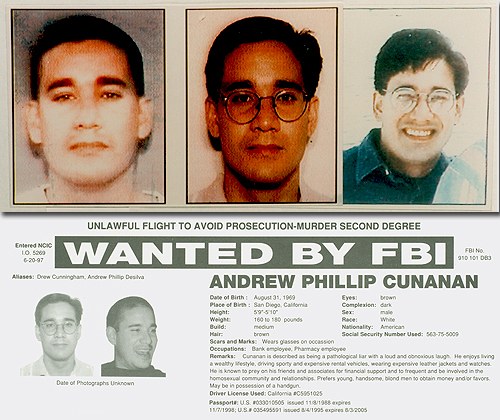
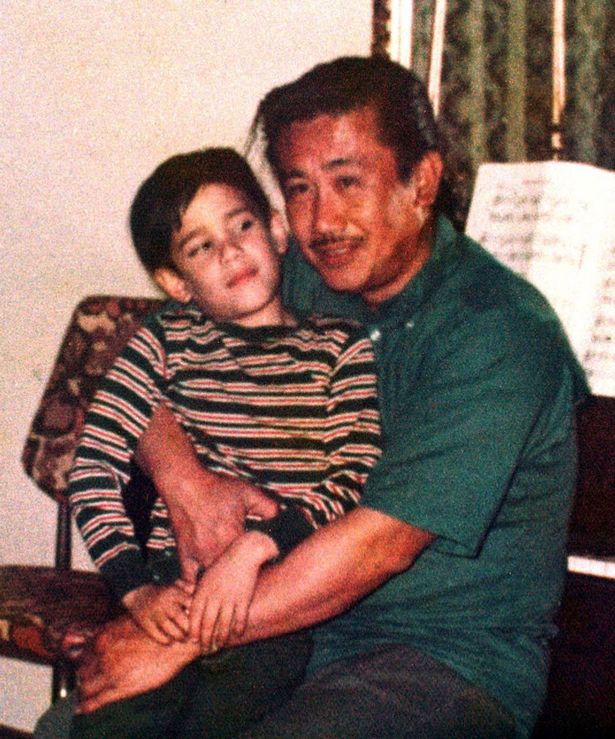
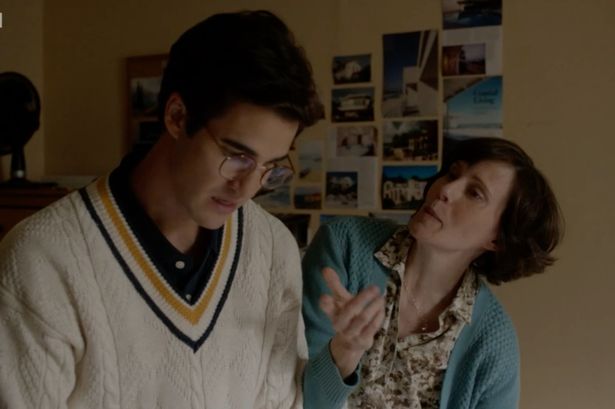
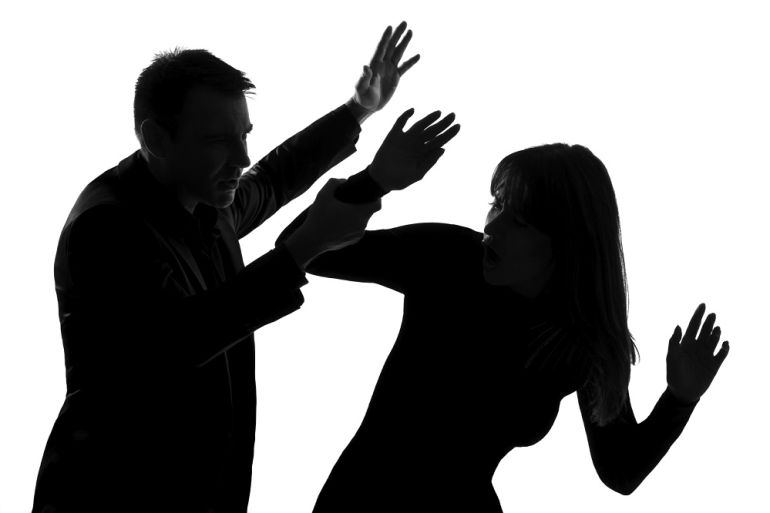
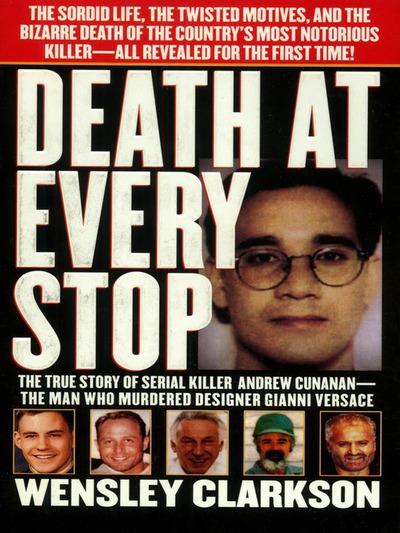
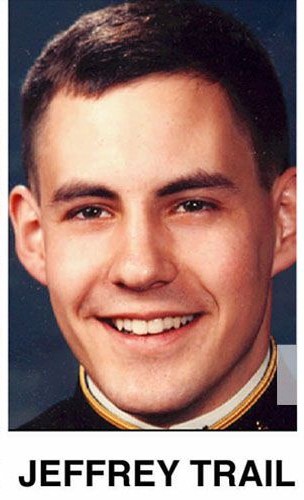
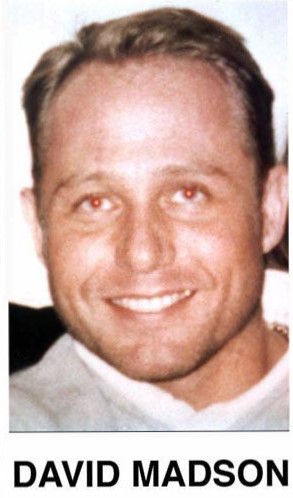


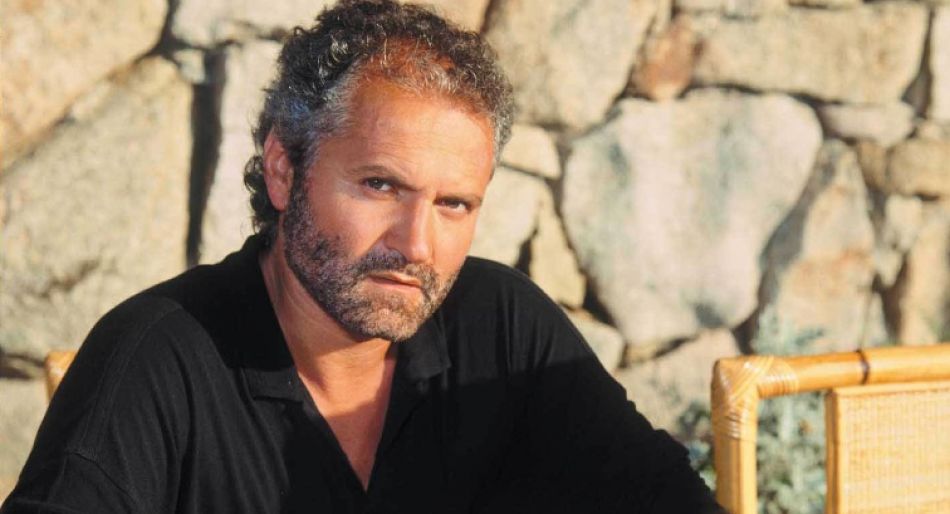
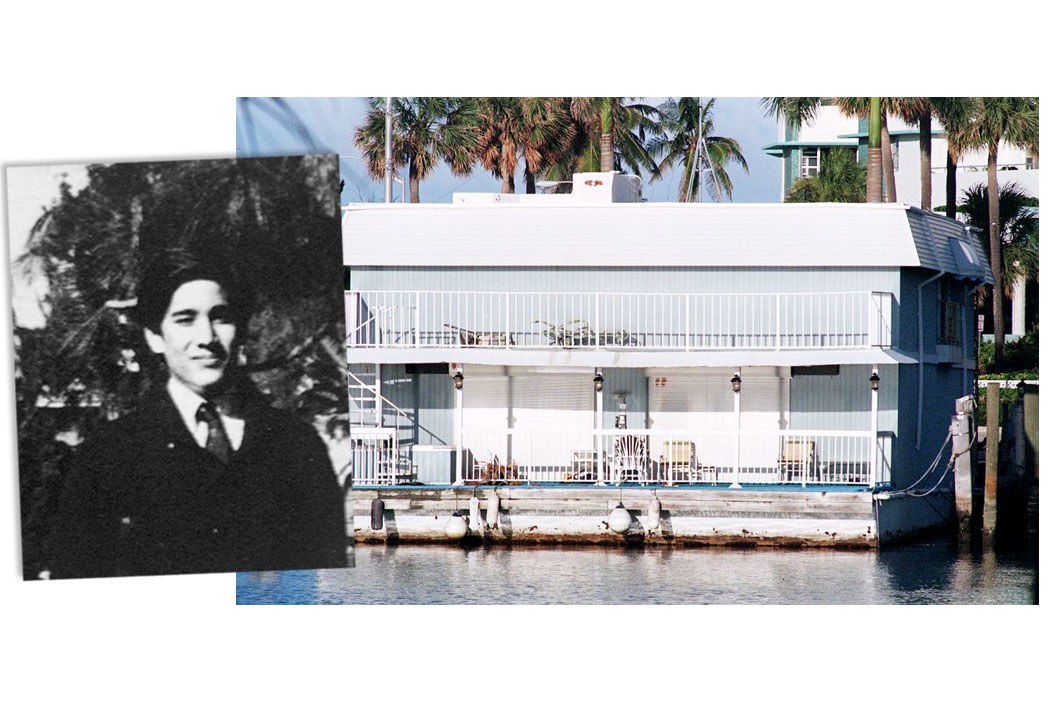


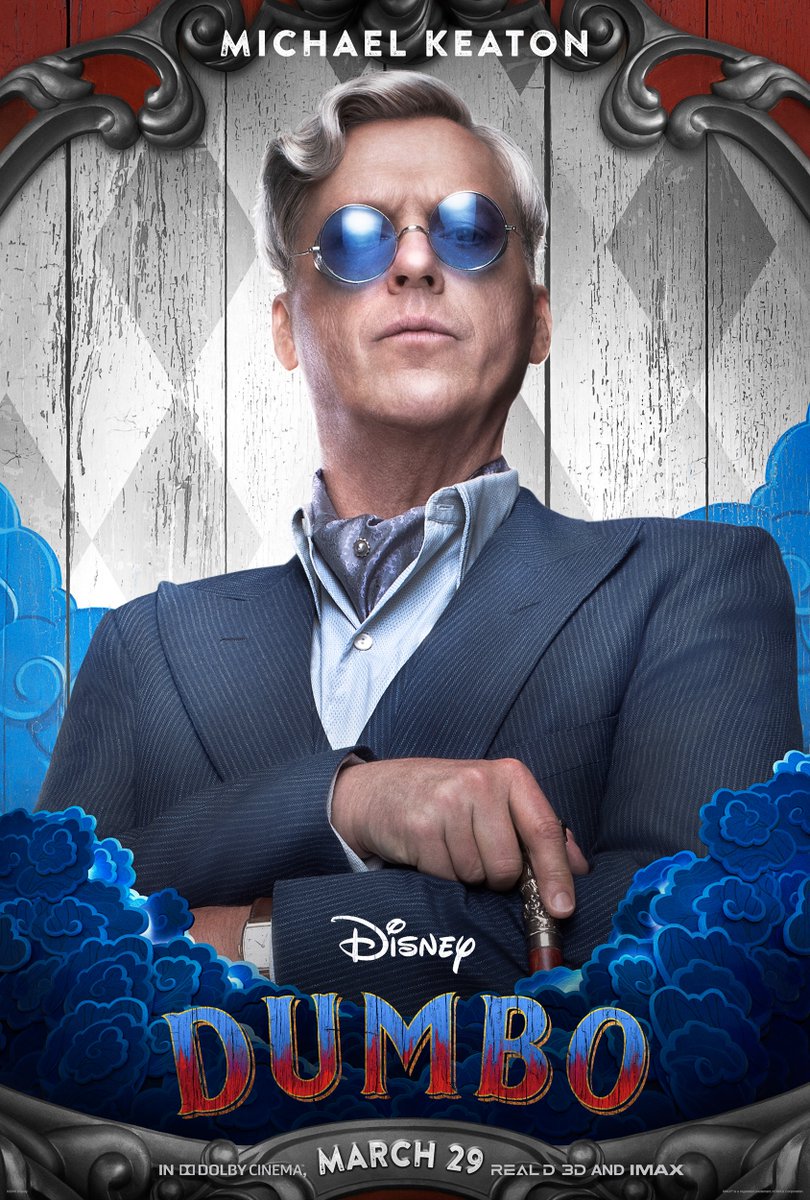












 The Perks of Being Me